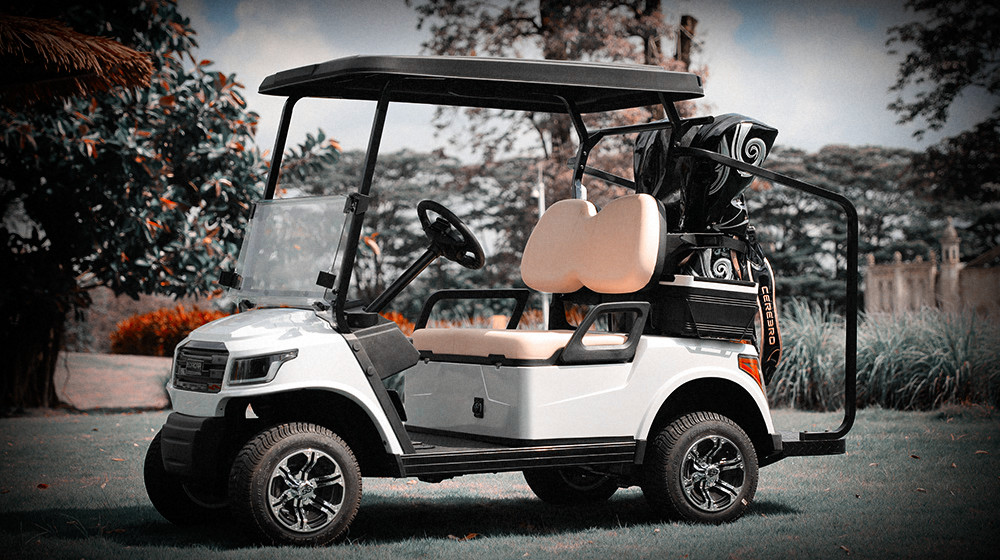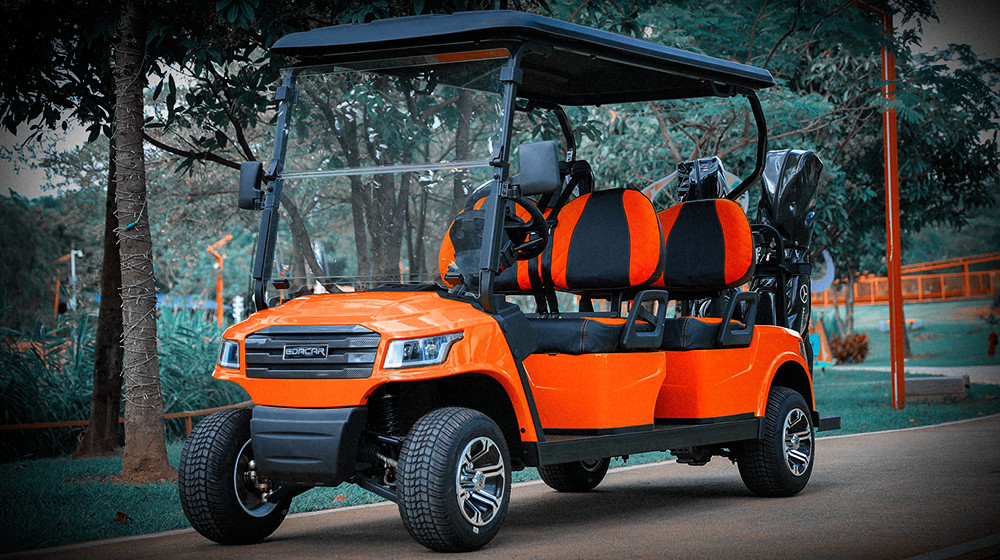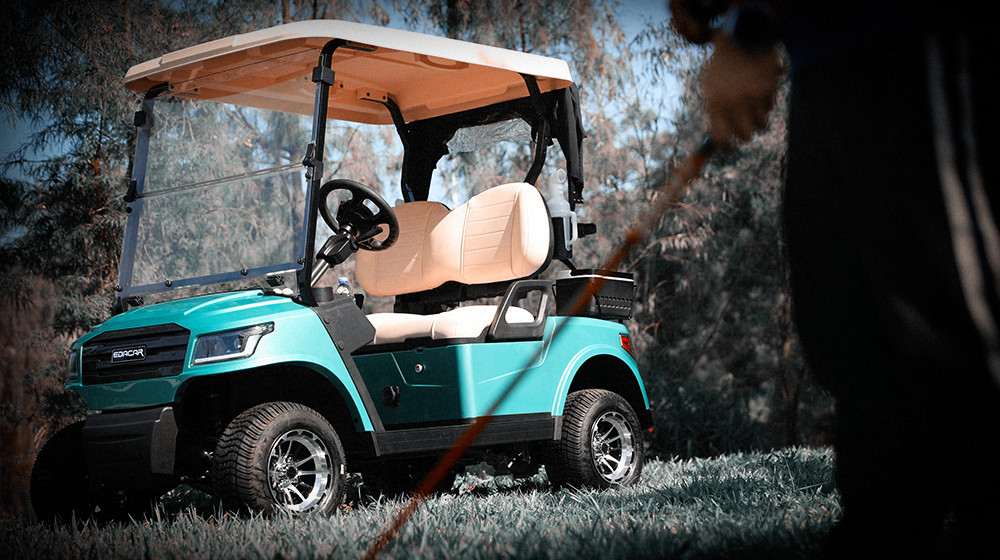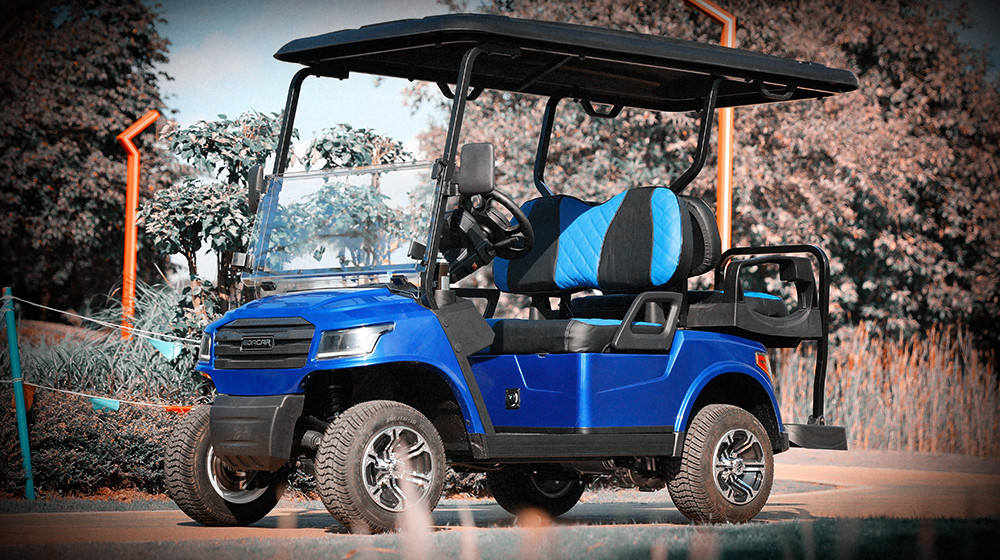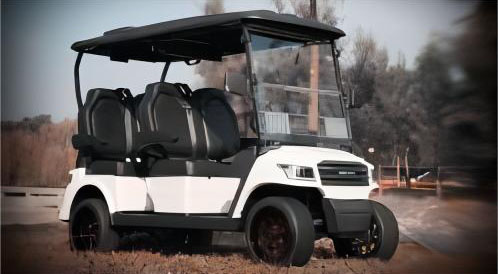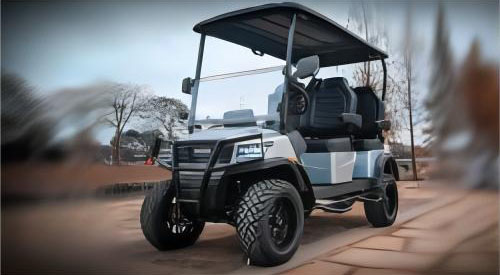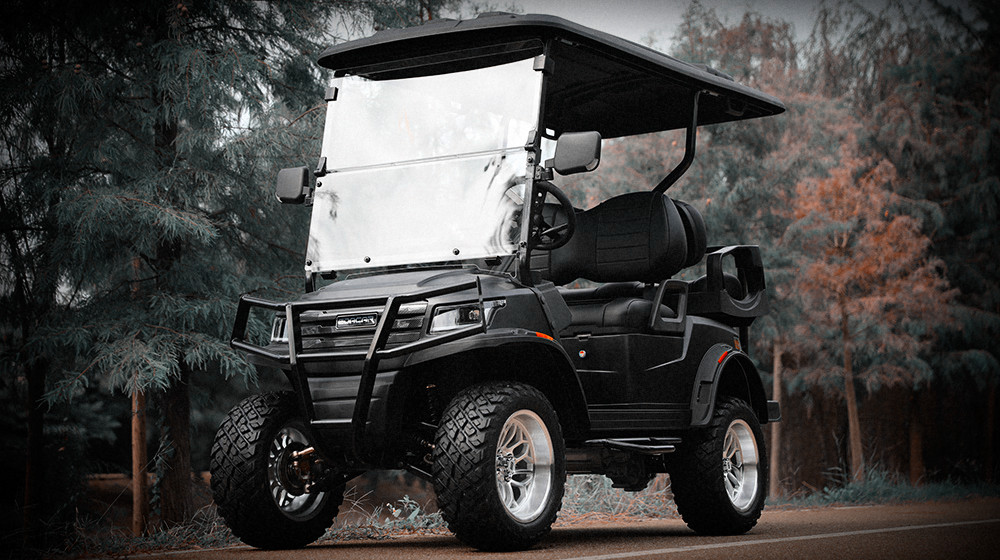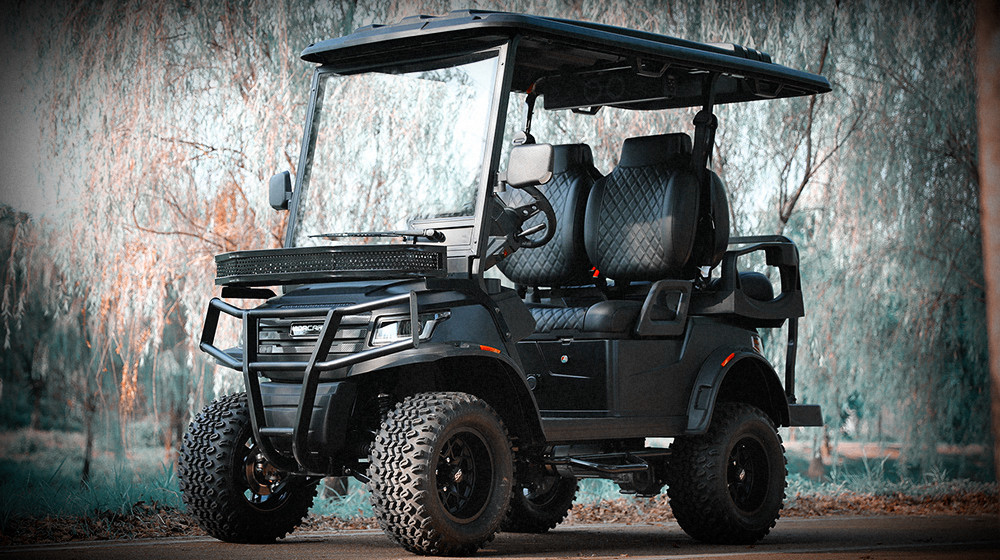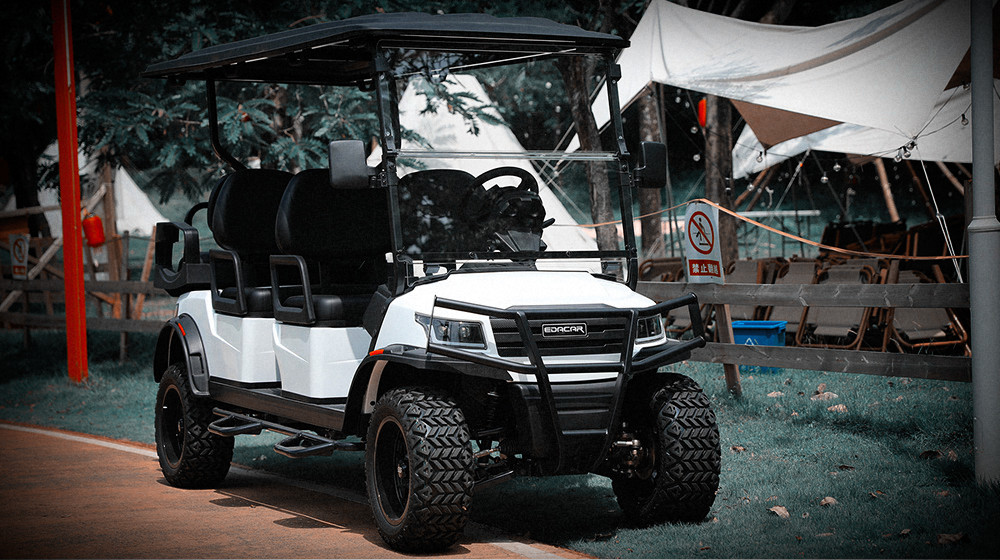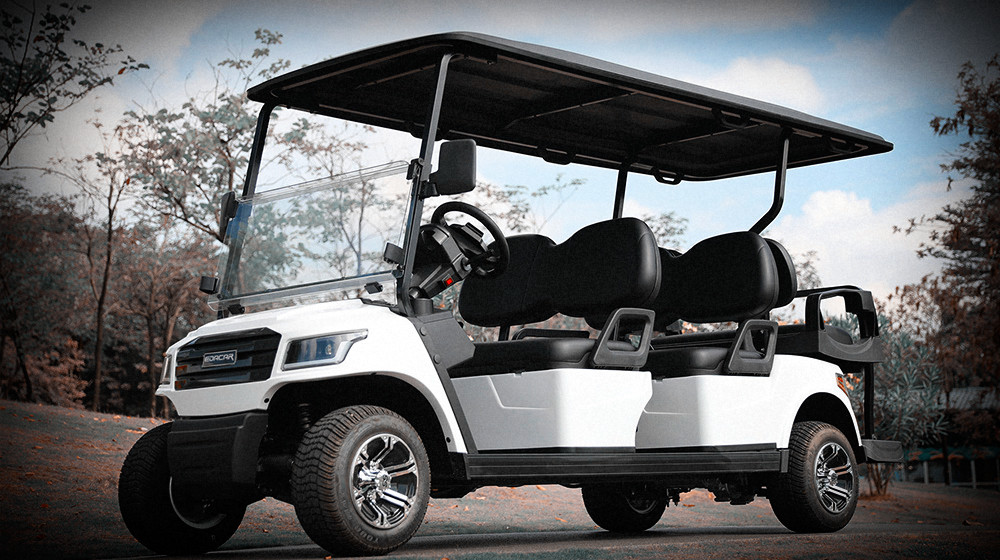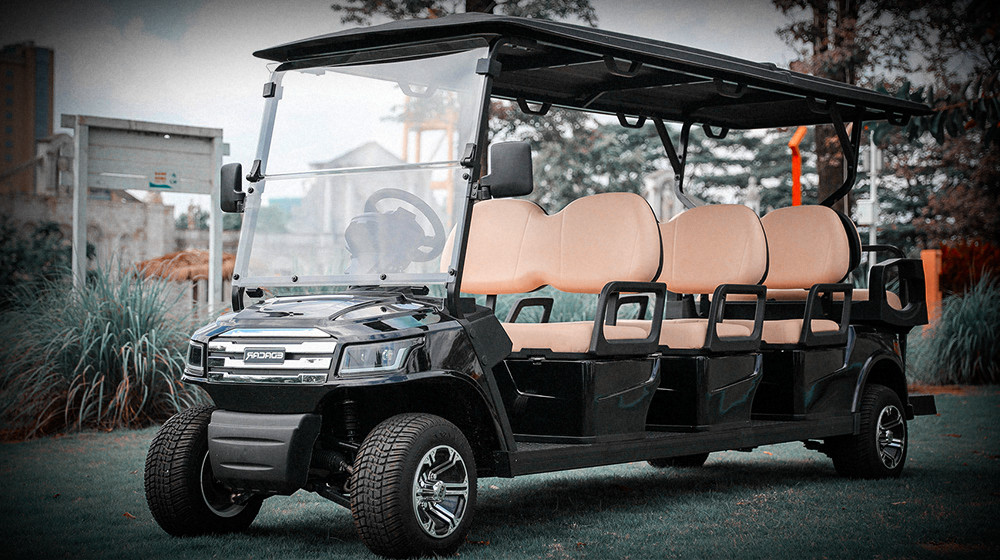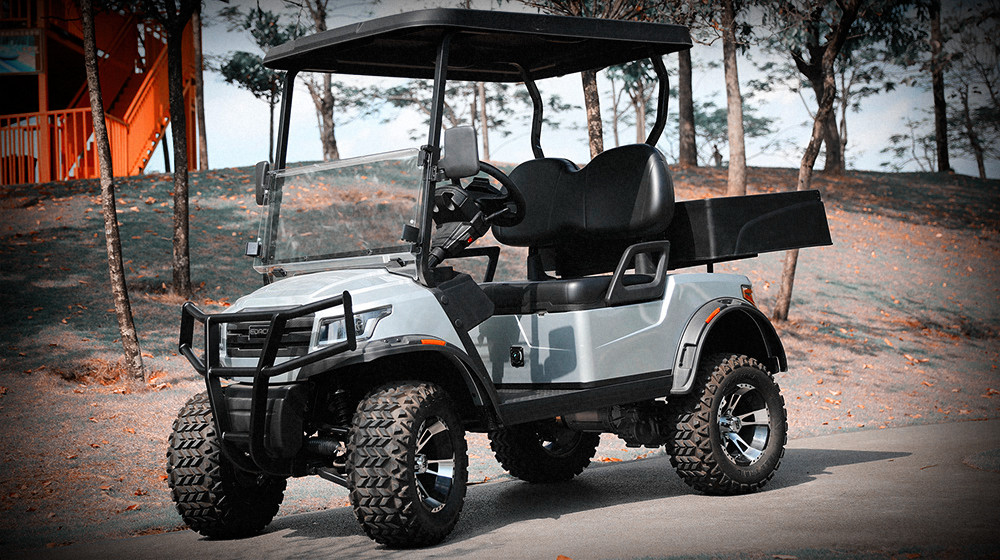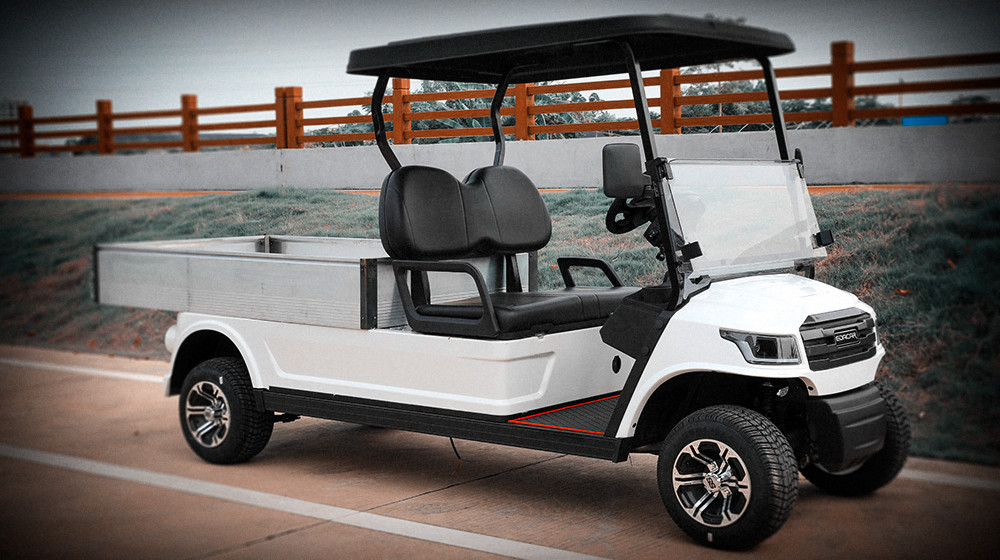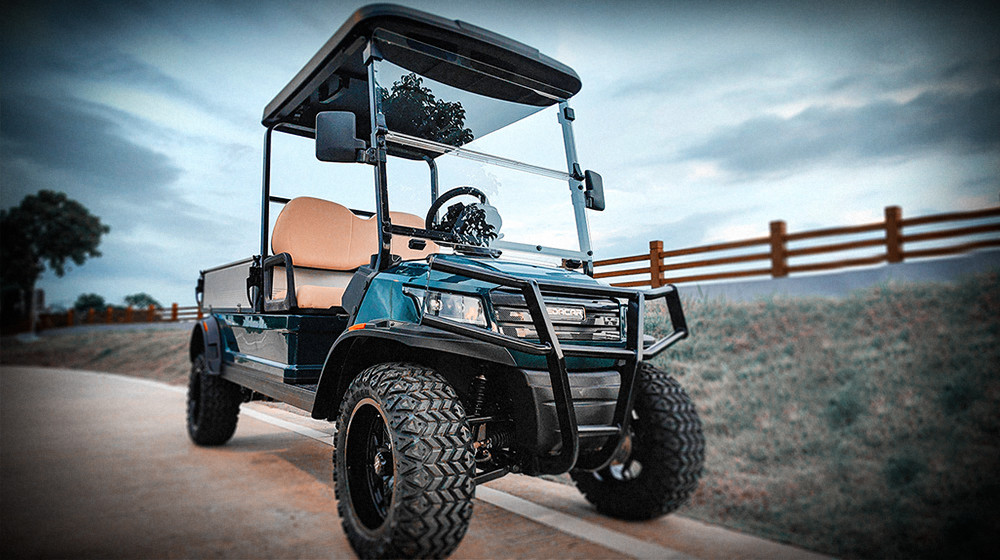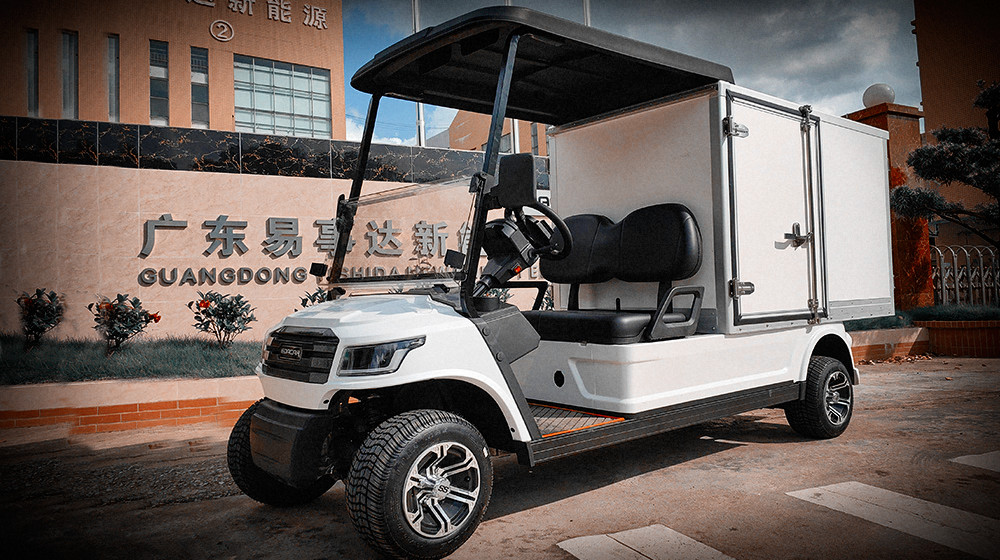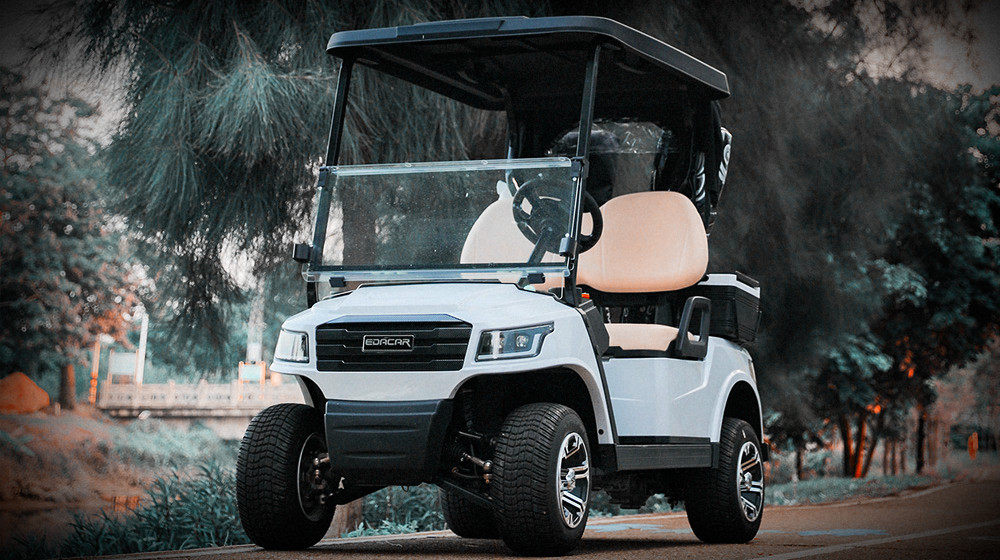
F2 MODEL
· 4KW AC MOTOR WITH EM BRAKE
· FOUR WHEEL DISC BRAKE
· LITHIUM POWERED

Vehicles
Experience the greens in a whole new way
Drive like a pro with our carts, Leave the walking to others.
When the good road ends, the great adventure begins.
We get you where you need to go, without a worry
Delivery you can count on. One Charge Can Go A Long Way.
Golf Cart Customization: Golf carts have evolved into versatile vehicles. These vehicles now cater to daily activities beyond just golfing. Through the art of customization, one can truly express individuality. More than aesthetics, customization ensures the achievement of optimized performance. For those seeking enhancements, options abound: from paint colors to lift kits, and even lithium battery upgrades. We provide an extensive range of components and add-ons. With their offerings, designing a personalized art becomes an exciting endeavor. As you navigate this world of customization, rest assured, we're here to guide you every step of the way.
Dealers
Support
Press
Contact
Picking the right Eagle Bus Parts really makes a difference when it comes to how well your bus runs and safety too. Industry expert John Smith once mentioned, "Choosing quality parts is key for reliability," and honestly, that advice still hits home today. It’s pretty clear that the parts you put in your bus aren't just about keeping things running—they’re about peace of mind.
Eagle Bus Parts are super important for keeping everything working smoothly. Each piece has to do its part to make sure the trip is comfortable and safe. But let’s be honest—sometimes picking the right parts can feel kinda overwhelming. There are tons of options out there, and it’s easy to get a little lost in the shuffle.
Of course, quality really does matter. But here’s the thing—just because something’s cheap doesn’t mean it’ll perform well. Sometimes lower-cost parts just don’t cut it. It’s a smart move to check out warranties, read reviews, and do some research before making a decision. Not every part with an "Eagle" label is automatically up to snuff—some may fall short of the high standards you’re expecting. Keeping all this in mind can help you make smarter choices, hassle-free.
All in all, taking a little time to choose the right parts can really pay off in the long run.
Eagle bus parts play a crucial role in maintaining the efficiency and safety of buses. They encompass various components like brakes, engines, and suspension systems. Each part has its specific function that contributes to the overall vehicle performance. Ensuring these parts are in good condition can prevent potential breakdowns on the road.
Regular maintenance of Eagle bus parts is essential. Neglecting them can lead to serious mechanical issues. For instance, worn-out brakes can compromise safety during emergency stops. It’s vital to check these parts frequently and replace them as needed. Doing so not only keeps the bus operational but also protects passengers.
Choosing the right Eagle bus parts may vary based on model and usage. Not all bus components are created equal. You might find yourself confused with options. It's important to consult relevant manuals and guidelines. Sometimes, going for cheaper alternatives can lead to more significant problems later. Reflecting on whether a part is right for your specific needs requires careful consideration. Quality should never be compromised for cost.
Eagle bus parts come in various types, serving different functions. Each category plays a crucial role in the overall performance and safety of the bus. Common categories include engine components, electrical systems, and braking systems. According to industry reports, the market for bus parts is expected to grow by 5% annually. This reflects the increasing demand for public transportation.
When selecting parts, it is essential to understand their specific functions and compatibility. Engine parts like filters and spark plugs must match the bus's requirements. Misalignment can lead to reduced efficiency. Electrical components like batteries and wiring should be inspected regularly. A faulty electrical system can create significant safety risks.
Braking parts are critical for ensuring safety. Worn-out brake pads can lead to longer stopping distances. According to industry data, about 30% of bus accidents are related to brake failures. Regular maintenance and appropriate part selection can mitigate these risks. Choosing the right parts requires attention to detail and an understanding of vehicle requirements. It’s not just about immediate costs but also long-term safety and performance.
When choosing Eagle bus parts, several key factors come into play. First, compatibility is crucial. Ensure the parts fit your specific bus model. Mismatches can lead to mechanical issues. Examine the specifications closely. Look for detailed descriptions and dimensions.
Material quality also deserves attention. Cheap materials may wear out fast. Invest in durable parts to save money in the long run. Sometimes, it's tempting to choose the lower-priced option. However, consider reliability and performance.
**Tip:** Always read reviews from other users. Their experiences can guide your choices.
Another factor is warranty coverage. A solid warranty reflects a part's quality. If a part fails, you can get a replacement without extra costs. Make sure to compare options before settling.
**Tip:** Don't rush the decision. Take your time to research. It’s better to make an informed choice.
| Part Type | Material Quality | Warranty Period | Compatibility | Cost |
|---|---|---|---|---|
| Brake Pads | Ceramic | 2 years | Eagle Model A, B | $150 |
| Fuel Filter | Plastic | 1 year | Eagle Model C | $30 |
| Air Filter | Synthetic | 1.5 years | Eagle Model A, C | $45 |
| Battery | Lead Acid | 3 years | Universal | $120 |
| Alternator | Aluminum | 4 years | Eagle Model B, C | $200 |
When assessing compatibility of Eagle bus parts, consider your specific vehicle model. Each bus model has unique specifications. Check your owner's manual for details on parts compatibility. This step is crucial for ensuring proper function and safety.
**Tips:** Always cross-reference part numbers. Sometimes, small variations exist between models. Don’t overlook these details. Also, consult with technicians familiar with your bus model. Their insights can save time and avoid costly errors.
Take note of the year and make of your bus. Even minor changes in design can affect part compatibility. Be aware that not all parts online are suitable for your needs. Sometimes, the right part might be harder to find. Stay proactive in researching options and keep an open mind.
Managing a fleet comes with its own set of challenges, especially when budgeting for parts. In the transportation industry, the maintenance of vehicles is not just a necessity; it’s a significant financial commitment. Research indicates that fleet operators spend approximately 15% to 20% of their total operational budget on parts and maintenance. This highlights the need for careful planning.
It's essential to have a clear understanding of costs. Regularly replacing parts can lead to budget overruns. For instance, tire replacements can range from $300 to $1,000 each, depending on the type of bus and usage. Neglecting to maintain parts can increase downtime, which impacts revenue. In fact, reports show that unplanned downtime can cost fleets as much as $5,000 a day.
Evaluating each part's lifespan and performance helps in making informed decisions. Analyzing past maintenance records can reveal patterns. Are certain parts failing more often? This reflects inefficiencies. Investing in higher quality parts may seem costly at first, but it could lead to long-term savings. Balancing cost and quality is crucial.
When searching for Eagle bus parts, choosing the right suppliers is essential. Reliable sources can affect performance and longevity. Look for suppliers with a solid reputation in the industry. A good supplier should offer quality parts and prompt customer service.
Tips: Always check online reviews. See what other customers say about their experiences. Don’t hesitate to ask for references. This can provide clarity on a supplier’s reliability. A personal recommendation can also be invaluable.
Next, evaluate the supplier’s inventory. A larger selection often indicates a well-established provider. However, more options can be overwhelming. It’s crucial to prioritize specific needs. Focus on compatibility with your bus model. This can avoid potential frustration with fitting issues.
Finally, don’t forget about pricing. While cost matters, it should not be the only factor. Sometimes, lower prices lead to compromised quality. Balancing cost and quality is critical. Always perform thorough research before finalizing your choice.
When it comes to maintaining your bus, choosing the right parts is essential. The decision often lies between OEM and aftermarket parts. OEM parts are designed by the original manufacturer. They guarantee a perfect fit and performance. However, they can be pricey. Some bus owners hesitate to invest in them due to budget constraints.
On the other hand, aftermarket parts are generally more affordable. They offer flexibility in choice and price. But not all aftermarket options provide the same quality. Some might not fit properly or could wear out faster. It’s crucial to verify the reputation of the manufacturers behind these parts. Research and reviews can guide you in making wise choices. Imagine enduring a breakdown because of a flawed part you selected to save a few dollars.
Every decision you make carries weight. Whether you lean towards OEM or aftermarket, assess your needs carefully. Consider factors like reliability, warranty, and long-term costs. Balancing quality and price is key. Sometimes, a less expensive option can lead to greater expenses later on. Reflect on your priorities and choose wisely.
: The product aims to enhance daily living. It simplifies tasks and boosts efficiency for users.
It includes user-friendly controls and various functions. Some features may take time to master fully.
Most find it intuitive. However, some users report a learning curve. Patience is key during this phase.
It's designed for general use. Yet, specific groups may struggle with complex features. User feedback varies.
Regular cleaning is necessary. Neglect may lead to reduced performance. It’s important to check for wear regularly.
First, check the manual for troubleshooting tips. If issues persist, contacting support is often recommended.
Yes, it’s built with safety features. However, user diligence is essential to prevent accidents. Be cautious always.
Some versions are suitable for outdoor use. Environmental factors might affect performance. Testing is advisable in varied conditions.
Pricing can be variable. Budgeting for the product may require consideration of its long-term benefits.
Many have return policies. However, checking specific guidelines is crucial to understand the process better.
Eagle Bus Parts play a crucial role in the maintenance and longevity of bus fleets. Understanding the various types of Eagle Bus Parts and their categories is essential for effective fleet management. Factors such as compatibility with specific vehicle models, budget considerations, and the choice between OEM and aftermarket parts significantly influence the effectiveness of replacements.
When selecting Eagle Bus Parts, it is important to assess both the reliability of suppliers and the overall costs involved. By taking these considerations into account, fleet managers can make informed decisions that not only enhance vehicle performance but also ensure the safe and efficient operation of their bus systems. Properly choosing and maintaining Eagle Bus Parts can lead to improved reliability and reduced operational costs in the long run.