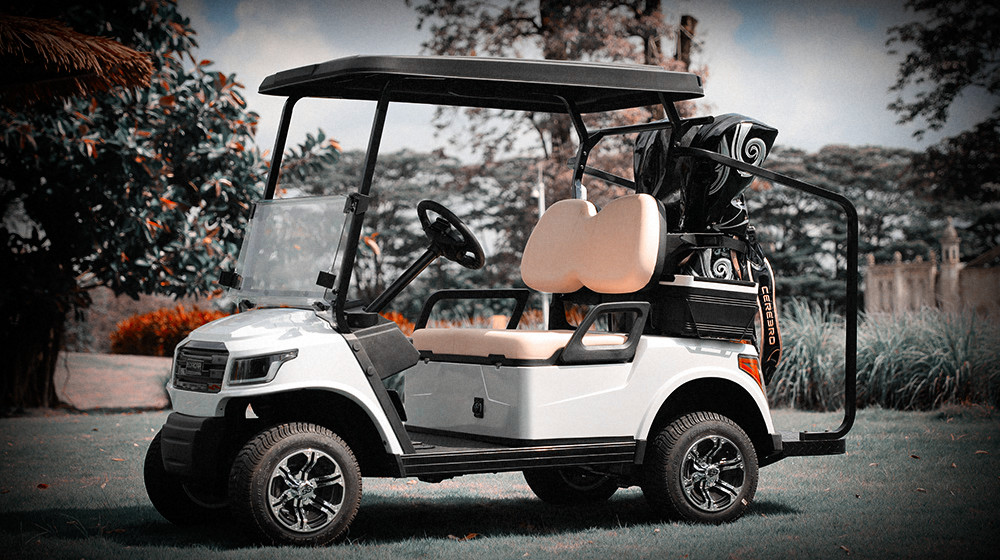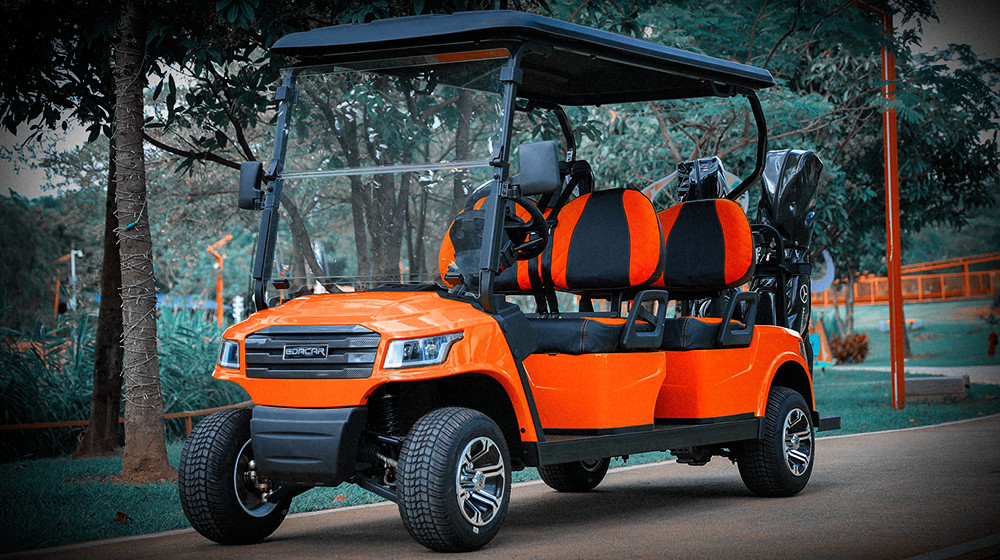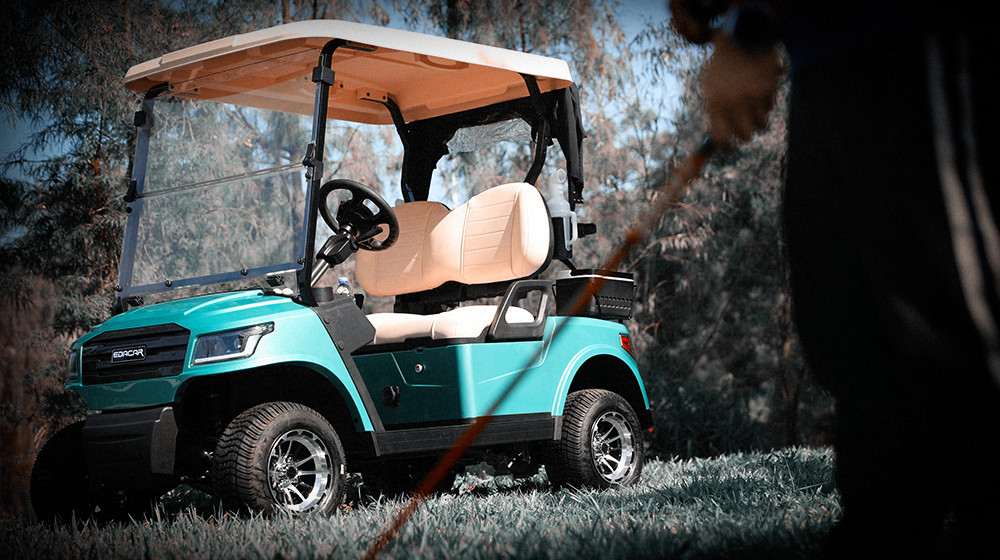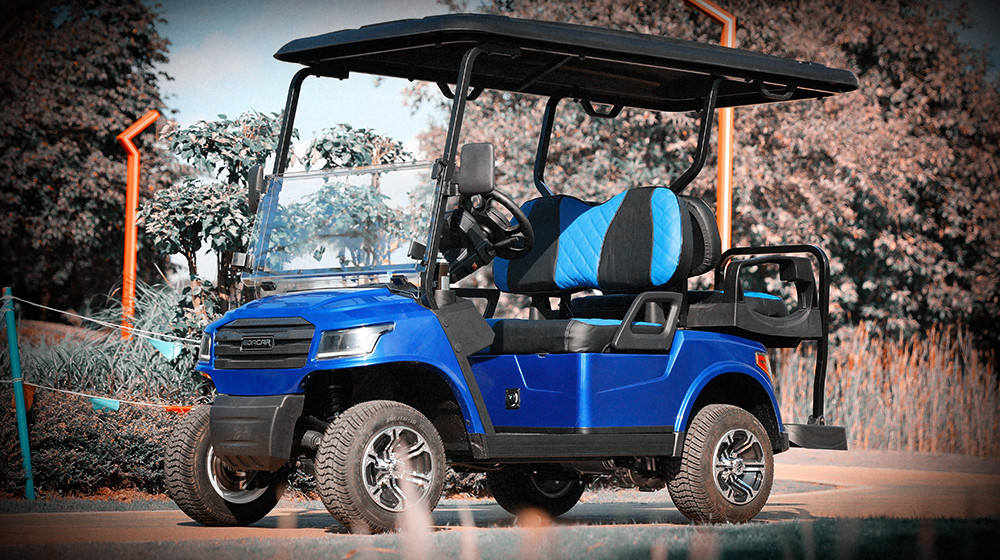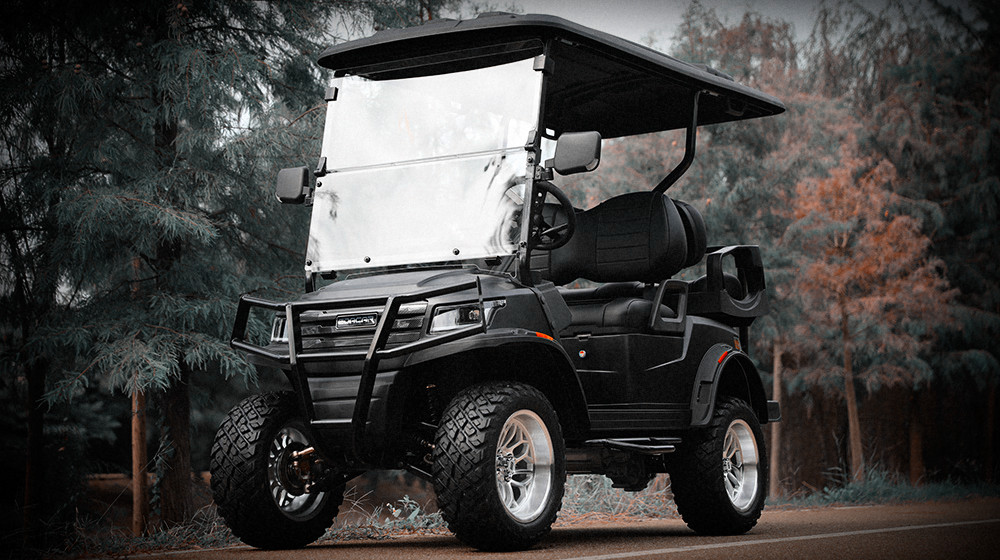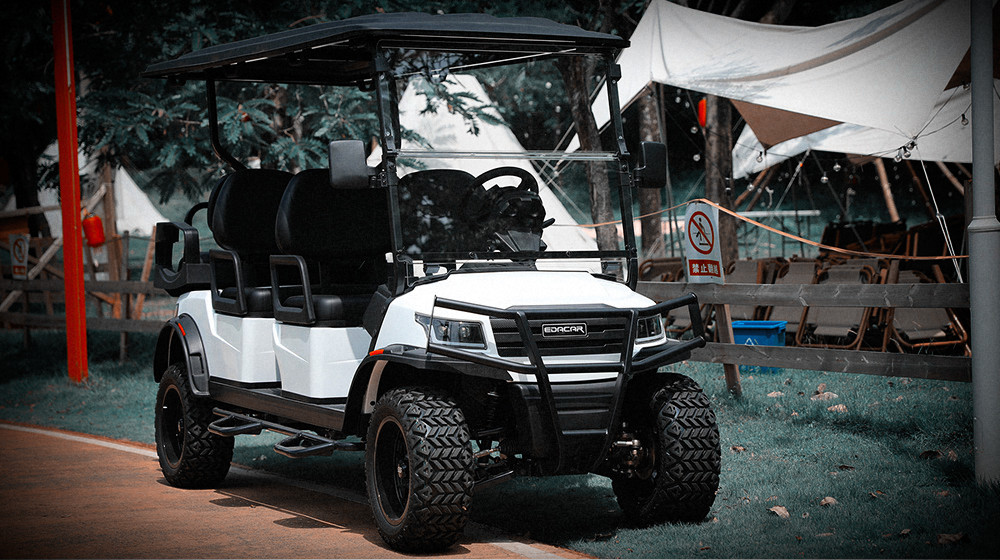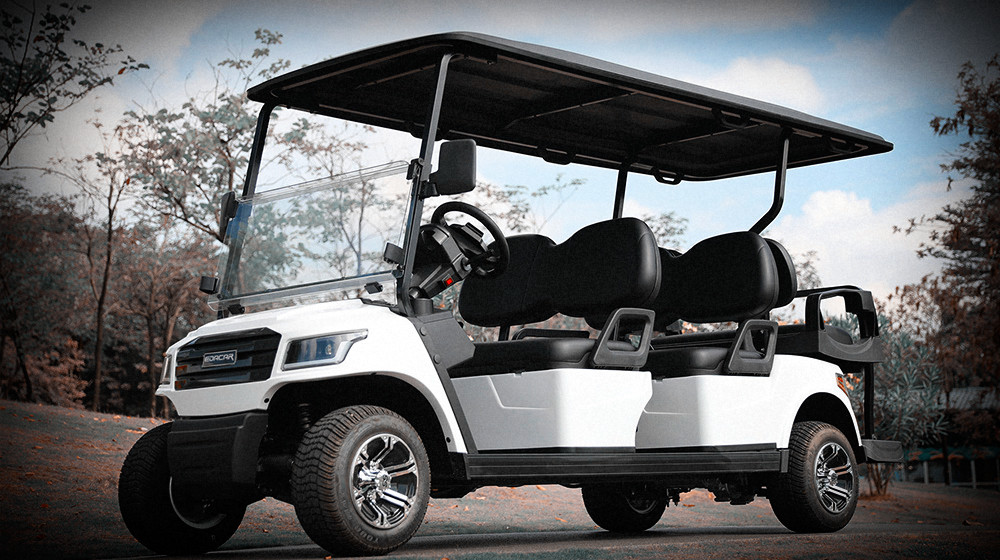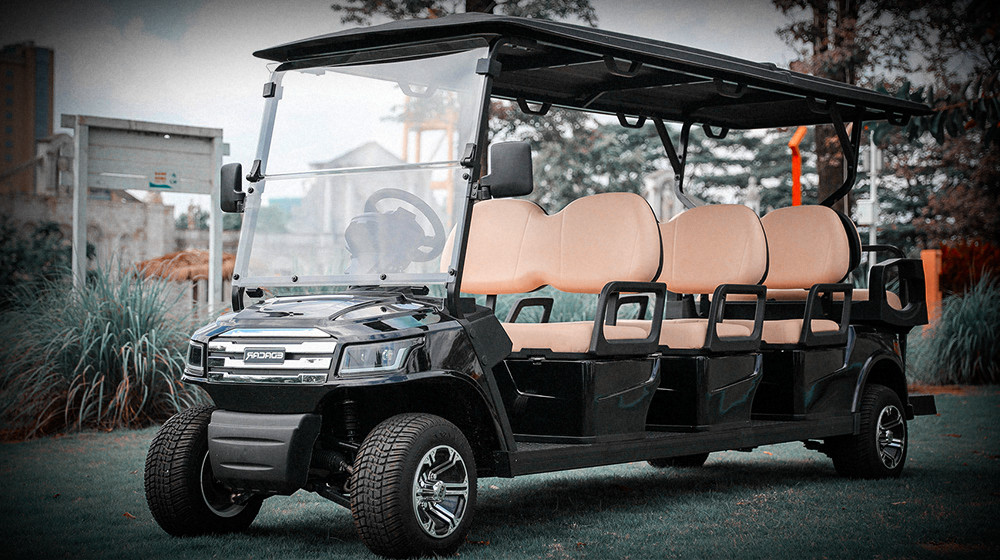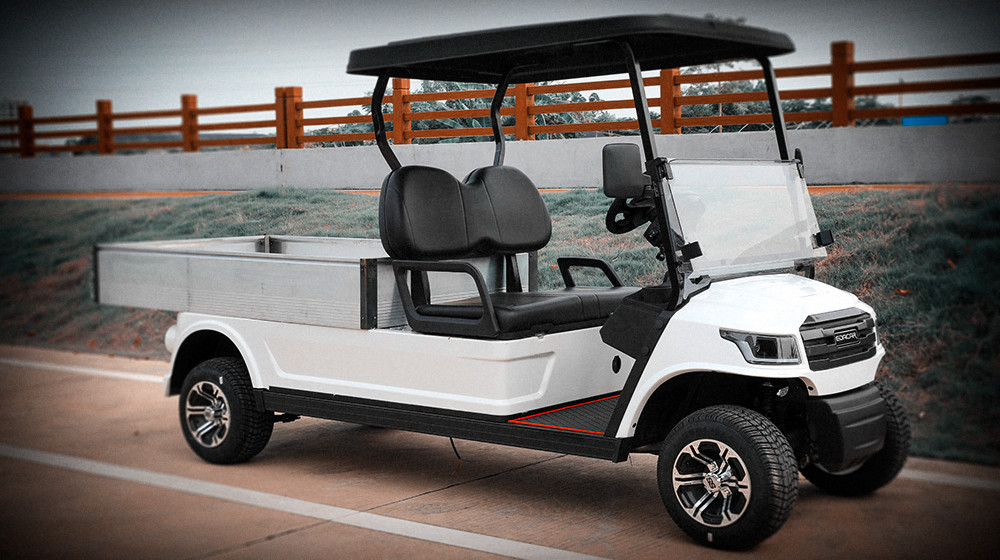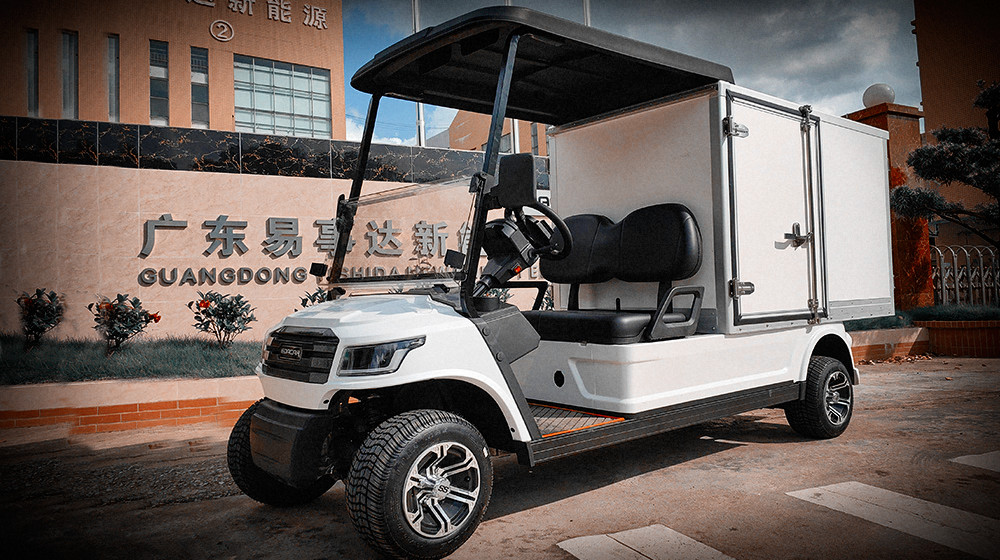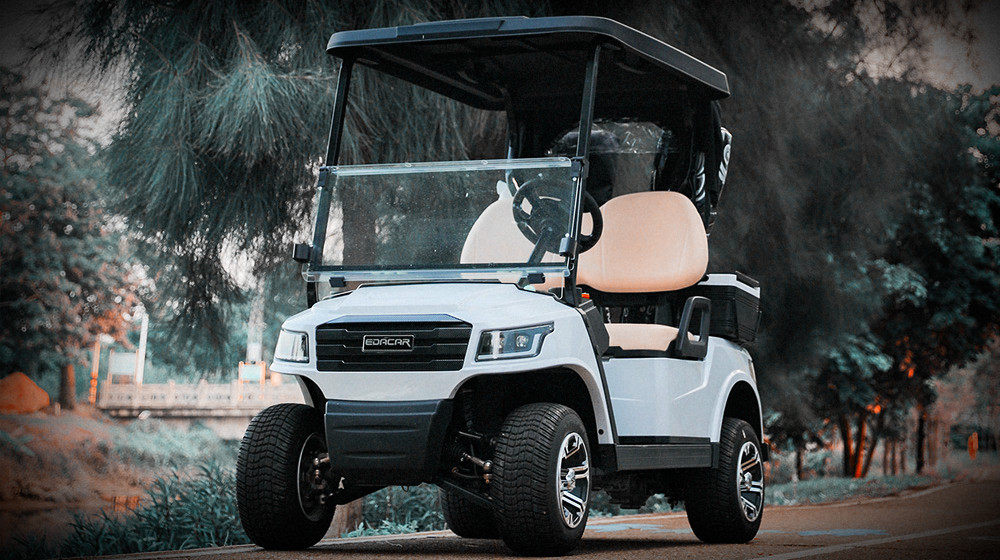
F2 MODEL
· 4KW AC MOTOR WITH EM BRAKE
· FOUR WHEEL DISC BRAKE
· LITHIUM POWERED

 Vehicles
Experience the greens in a whole new way
Drive like a pro with our carts, Leave the walking to others.
When the good road ends, the great adventure begins.
We get you where you need to go, without a worry
Delivery you can count on. One Charge Can Go A Long Way.
Golf Cart Customization: Golf carts have evolved into versatile vehicles. These vehicles now cater to daily activities beyond just golfing. Through the art of customization, one can truly express individuality. More than aesthetics, customization ensures the achievement of optimized performance. For those seeking enhancements, options abound: from paint colors to lift kits, and even lithium battery upgrades. We provide an extensive range of components and add-ons. With their offerings, designing a personalized art becomes an exciting endeavor. As you navigate this world of customization, rest assured, we're here to guide you every step of the way.
Dealers
Support
Press
Contact
Electric vehicles are emerging promisingly. With innovation and an eco-friendly twist, it becomes a demand now and in the future, for example, Sightseeing Cars. Allied Market Research has released a market report stating that the global electric golf cart market is expected to grow up to $1.18 billion by the year 2026 because increasing awareness about the environment and the shift of the tourism sector towards achieving sustainable mobility solutions are fueling the growth. Compliance with trade certification standards has become more significant than ever, as municipalities and tourism operators have looked into further adding value to visitors without increasing the carbon footprint.
EDACAR EV Co. Ltd is also a national high-tech enterprise and plays a leading role in the transition by specializing in research, development, and manufacture of a lithium-battery vehicle including Sightseeing Cars. The newest assembly lines integrated by high-end robotics are dedicated to producing highly quality, reliable, international standard vehicles. Industry stakeholders can use the specific knowledge of the trade certification standard required for global sourcing of Sightseeing Cars to ensure compliance and, at the same time, meet the countries increasing customer demands for sustainability as well as innovation toward transportation.

The impulse towards a swiftly changing landscape of global sourcing in the sightseeing car industry comes from the rising demand for leisure and recreational vehicles. Reportedly, an upward trend in standards of living has ushered the leisure sporting vehicle segment into a golden stretch of development. Indeed, the recent Guangzhou exhibition with a display of a whole range of off-road vehicles was a clear testament to this segment growing in both popularity and diversified offerings. Automobile manufacturers are revisiting their sourcing concepts based on these trends. The pandemic and uncertainties due to geopolitics have influenced multinational corporations to rethink their manufacturing bases based on an established paradigm of dependence on certain markets. Historical empirical evidence would suggest that regional sourcing would be the inevitable outcome of this trend in an avowed effort to mitigate risks against diversified supply chains. It is, however, interesting to note that supply chains led by procurement departments have been forced over the years by price waves witnessed in some key raw materials that are critical to the automobile industry. In addition, the electric vehicle (EV) market is surging, and it is projected that demand for EVs will surge even further within this decade. The reports indicate that the penetration of electric vehicles in the China market rose remarkably from 6% in 2020 to a staggering 28% in 2022. Such trends compel the sightseeing car industry to watch out for flexibility in the forward-looking view of the sourcing strategies, ensuring that they are competitive in the face of the continuously changing economic wave.

Trade certification standards play a key role in the cross-border sourcing of vehicles used for sightseeing because they also guarantee safety, quality, and enviro-sustainable aspects. They assist manufacturers and suppliers in steering through the convoluted set of international trade regulations toward reliable and efficient sourcing. Compliance with internationally recognized certifications builds up the credibility of the vehicles themselves, while it further reassures end-users, particularly in demand-saturated tourism markets.
The foremost trade certification standard affecting sightseeing vehicles is ISO 9001, which is concerned with quality management systems. It ensures that manufacturers follow consistent quality procedures during production to detach reliable, well-built vehicles. Other safety certifications, such as those by NHTSA or the European Union ECE regulations, require stringent test protocols that protect passengers and comply with safety laws.
In parallel with quality and safety, environment standards such as ISO 14001 stress sustainable practices within the automobile sector. These regulations encourage manufacturers to use eco-friendly materials and production processes, decreasing the carbon footprint of sightseeing vehicles. As tourists grow to be increasingly aware of their own environmental impact, companies sourcing cars made to meet these certification standards may position themselves in alignment with consumer values, thus boosting their attractiveness from a marketing perspective.

Environmental regulations are one of the most significant influences on the global sourcing of sightseeing vehicles since cities are working towards improving air quality and sustainable tourism. The tightening of emission standards is a well-documented phenomenon across various countries, thereby obliging vehicle manufacturers to prove their ability to meet very stringent environmental criteria. For instance, in 2019, legislation was completed for a vehicle emission testing system that should discourage fuel-powered vehicles from polluting the environment and require noncompliant vehicles to go through heavy checks and repairs to comply with emissions standards. This emphasis on accountability concerning automobile emissions has put great weight yet again on how important it is to source such vehicles considered to be environmentally friendly.
All of these regulations have bearing not only for the manufacturers but they also influence the purchasing decisions made by many suppliers in the tourism industry. Operators are therefore demanding low-emission or electric sightseeing vehicles to ensure that their fleets comply with the green practice while satisfying the regulations. This puts businesses in the position of changing their sourcing strategies to incorporate environmentally friendly vehicles that meet the environmental regulations while satisfying a savvy consumer base that wants to be environmentally conscious. Through the adoption of sustainable procurement principles, the industry has a lot to offer in the way of helping to reduce carbon footprints and maintain the environmental integrity of tourism operations.

The boom in eco-friendly sightseeing cars is fueled by the rising consumer awareness and demand for sustaining transportation. With the amusement park industry set to exceed $74.2 billion in 2023, the question of whether eco-friendly vehicles will find a niche in this ever-growing sector needs to be explored. The CAGR for amusement parks is expected to be about 5.5% in the period stretching from 2024 to 2032, influenced by trends like the integration of virtual and augmented reality technologies into attractions. The resultant growth therefore provides the breeding ground for launching environmentally friendly sightseeing vehicles, dovetailing with the larger-spread sustainability trend in the leisure industry.
According to the latest research, Asia is becoming the largest engine of consumer growth in the world, with an estimated $10 trillion increase in consumption in the next decade. It is thus a ripe area for manufacturers of eco-friendly sightseeing cars, which should have designs geared to green innovation and sustainability. Companies could then ride the wave of regional growth toward the increasing demand for green transportation options in tourist hotspots where such cars not only lower carbon footprints but also improve the customer experience as a whole.
Also, incredibly positive reinforcement for such ecologically conscious measures is provided by governmental initiatives targeting outdoor sports development from 2022 to 2025 sustainably. Demands for sightseeing cars powered by renewable energy and sustainable materials are likely to escalate as the industry merchants start aligning with this vision. Overall, the synergy of market trends, consumer wants, and environmental legislation creates tremendous prospects for the design and certification of eco-friendly sightseeing vehicles for the international marketplace.
Now, here is what I mean. Certification standards for trade are vital to ensuring the quality and safety of sightseeing cars in global sourcing. Recent industry compliance statistics for trade certification have quite alarming stories to tell. As per the International Council on Clean Transportation (ICCT), a mere 60 percent of sightseeing vehicle manufacturers can boast compliance with the set certification standards. That, indeed, should be filled.
According to the Global Trade Compliance Institute's report, non-compliance fails to guarantee safety and damages the market access of manufacturers. The analysis reveals that nearly 30 percent of companies failing to gain compliance are penalized with hefty fines and prohibited from exporting their products. This market potential loss proves how crucial it is to follow trade certification requirements to remain competitive in the global market.
It is also interesting to note the varying levels of compliance across regions. For instance, the North American manufacturers achieve a level of compliance approximately equal to 75 percent; at the same time, those within emerging markets have rates as low as 45 percent. This development indeed accentuates the need for better education and resources geared toward helping manufacturers obtain the certification standards for global sourcing. These are challenges that the sightseeing cars market will have to overcome if it hopes to grow sustainably.
Trade certifications are making what is true for this world at global sourcing for sightseeing cars. Such quality certification serves as a basis above which each vehicle has to qualify-in terms of safety, performance, and environmental impact. Tourists are ensured that the cars they hire have to abide by all these measurements, making them have reliable experiences, convincing them that these vehicles have to follow the latest industry regulatory requirements.
The greatest thing that trade certification will do is make obvious what such trade certification may be doing concerning the cost structures now attributed to sightseeing cars in a general sense. These standards will often come at the expense of production, testing, and inspection on compliance per se, but it is in many cases thought that a company investing in trade certifications will avail itself of a far greater market reputation and on that basis account to better sales and customer loyalty. In an industry with fierce competition, such recognized certifications can serve as the ultimate differentiator justifying higher prices or additional service offerings.
Furthermore, trade certifications could instill innovation within that industry. New technologies and materials that will make their sightseeing cars even more efficient or sustainable must be adopted for manufacturers to meet and exceed the criteria of these certifications. This constant pursuit of excellence raises the overall quality of vehicles and pushes the industry further toward green practices that benefit the consumer and environment alike.
The global tourism industry has witnessed a surge in the demand for sightseeing vehicles, prompting companies to adopt innovative sourcing strategies. Successful case studies highlight how businesses navigate the complexities of global sourcing while adhering to trade certification standards. One noteworthy example involves a leading tour operator that procured electric sightseeing cars from a manufacturer in Europe. By aligning its sourcing strategy with eco-friendly certifications, the operator increased its brand image in the marketplace for tourists who are now considering sustainability as a key factor.
Another striking case involves an iconic company sourcing vintage-style buses from a famed manufacturer in Asia. By ensuring compliance with international safety standards and obtaining necessary certifications, the company has successfully positioned itself as a premiere sightseeing provider. Their approach included extensive quality monitoring systems and constant communication with their suppliers, allowing them to build a solid supply chain capable of meeting erratic demands for sightseers.
The inclusion of technology in the very sourcing processes also proved beneficial in some instances. A recent case study illustrated a startup that used data analytics to examine trends and streamline supply chain efficiencies in the procurement of contemporary electric vehicles. Using technology to reduce lead times and increase customer satisfaction, this startup illustrated that data-based strategic sourcing can greatly propel a business in the highly competitive arena of sightseeing vehicles.
With more and more people looking for greener travel options, trade certification standards for sightseeing vehicles are expected to evolve in the direction of eco-friendly and low environmental effects. Going forward, there is a growing indication that such certification processes would embrace more and more advanced technologies and indicators of sustainability. These developments go a long way to ensuring that all vehicles would comply with environmental requirements and indeed make a most favorable impact on the well-being of travelers as well as that of the destinations to which these vehicles travel.
The evolution of all trade certification will become increasingly important to this end in that electric and hybrid vehicles will become the norm. Electric power will be increasingly relied upon for certified solutions in sightseeing since cities in all continents are busy devising how to reduce carbon footprints. These solutions complement the call for much greener alternative transport and highlight the tourism industry's own role in the issue of climate change. Companies that have embraced this popular adoption of standards will be in a better place for competition in the tourist market of environmentally conscious travelers.
The attention given to sustainability will go beyond the vehicles themselves to cover the entire supply chain. Certification agencies will now start looking at how sustainable the production processes are, how materials sourcing is done, and the overall life cycle of the vehicles in question. Just like this, all aspects will be in place for the holistic way that a sightseeing experience must contribute to every little aspect in the effort to conserve the environment at every stout competing future market-accommodating certification standard. Businesses that will be flexible to such future certification standards will fetter their positive reputation with the contribution of natural ecology footprint in a destination.
Successful sourcing strategies include partnering with manufacturers to procure eco-friendly vehicles, ensuring compliance with safety standards, and incorporating technology for optimizing supply chain efficiencies.
The tour operator improved its brand image by partnering with a European manufacturer to procure electric sightseeing cars, aligning its sourcing strategy with eco-friendly certifications to meet sustainability demands.
Companies navigate complexities such as adhering to trade certification standards, managing fluctuating tourist demands, and maintaining rigorous quality control measures in their supply chains.
Technology, particularly data analytics, helps companies identify trends, optimize supply chain efficiencies, reduce lead times, and improve customer satisfaction in acquiring modern electric vehicles.
Future trends include a greater emphasis on eco-friendliness, a focus on electric and hybrid vehicles, and the integration of advanced technologies in certification processes to minimize environmental impact.
Certification standards will increasingly prioritize sustainable practices across the entire supply chain, ensuring that production processes, materials sourcing, and vehicle lifecycles contribute to environmental preservation.
The shift towards electric vehicles is driven by global efforts to reduce carbon emissions, align with greener transportation initiatives, and meet the preferences of environmentally-conscious tourists.
Sustainable practices in sourcing and vehicle operations enhance the travel experience by promoting environmental well-being, which is increasingly important to travelers and contributes to the ecological health of destinations.