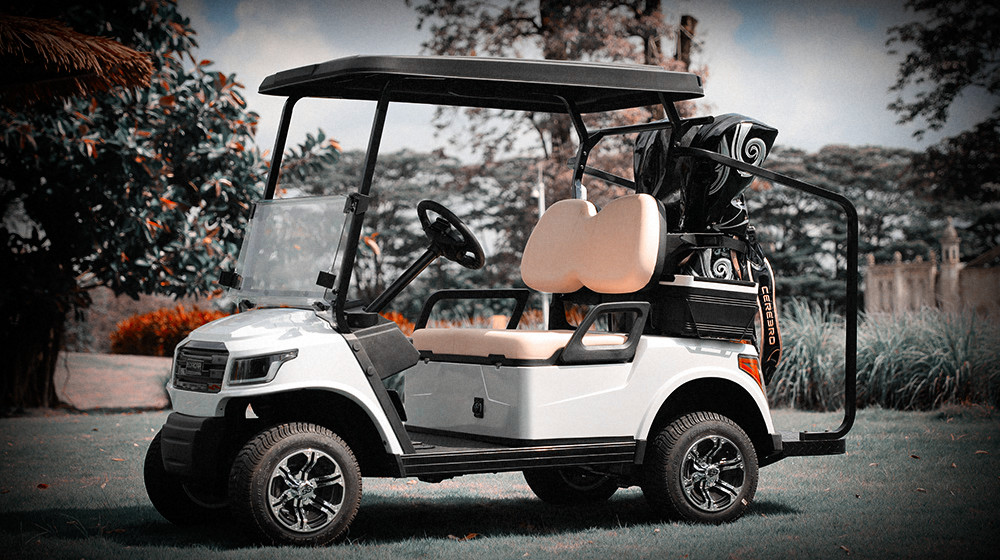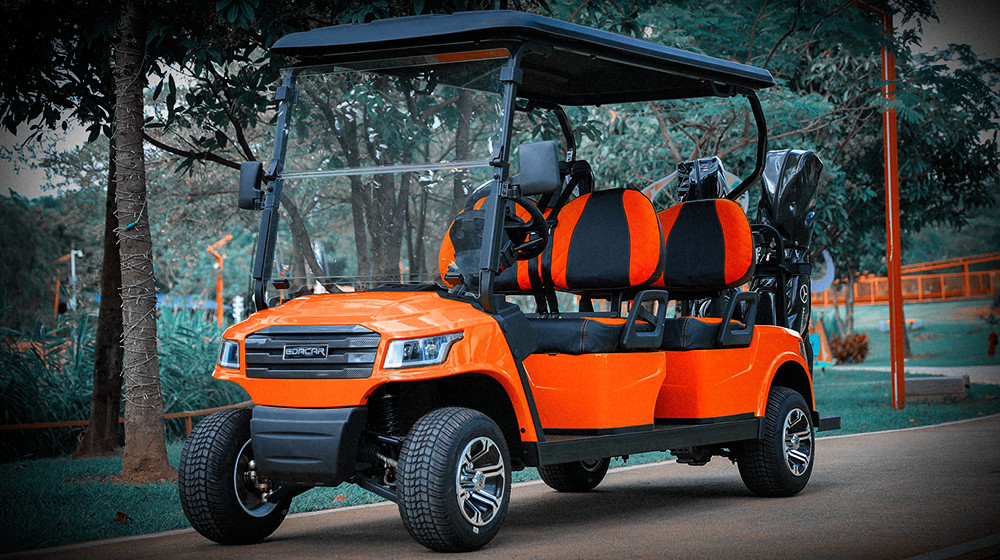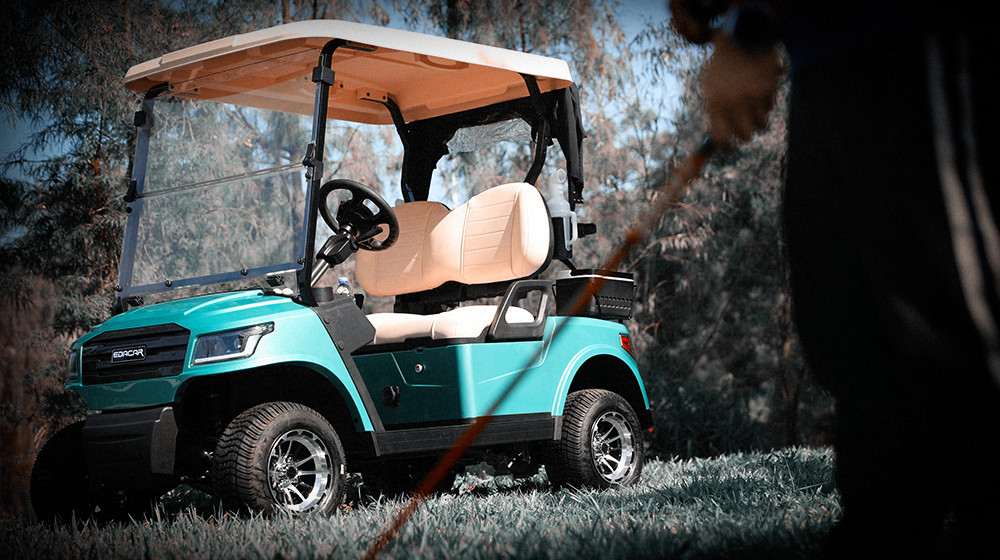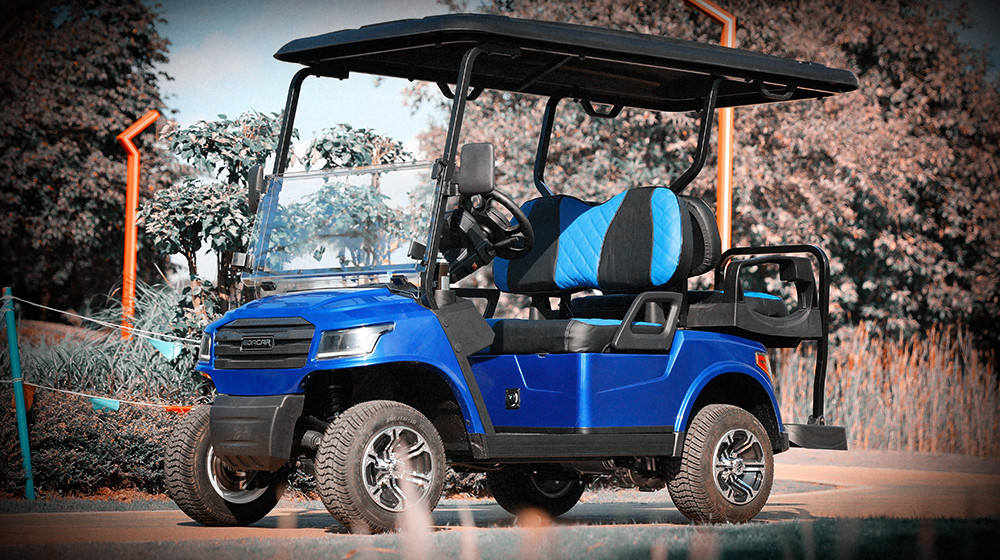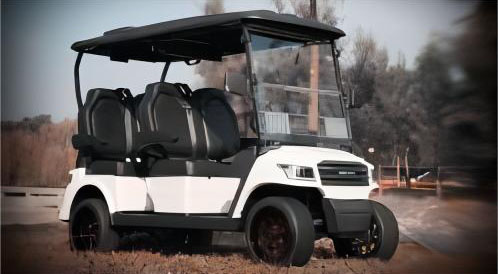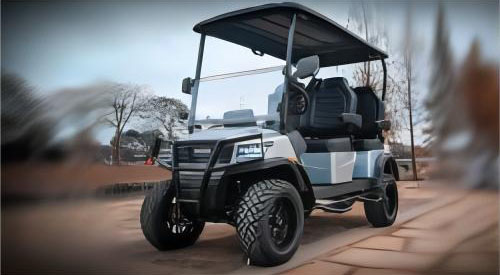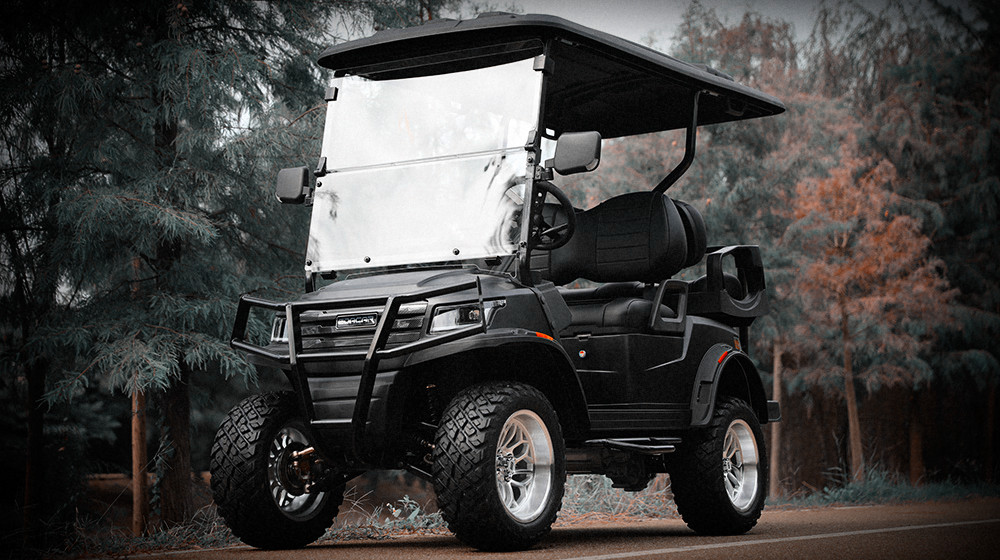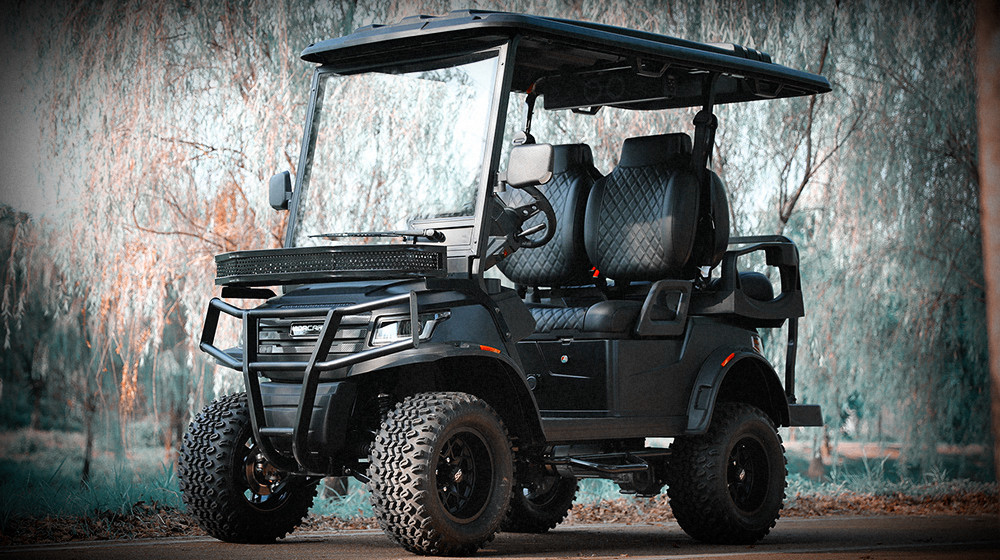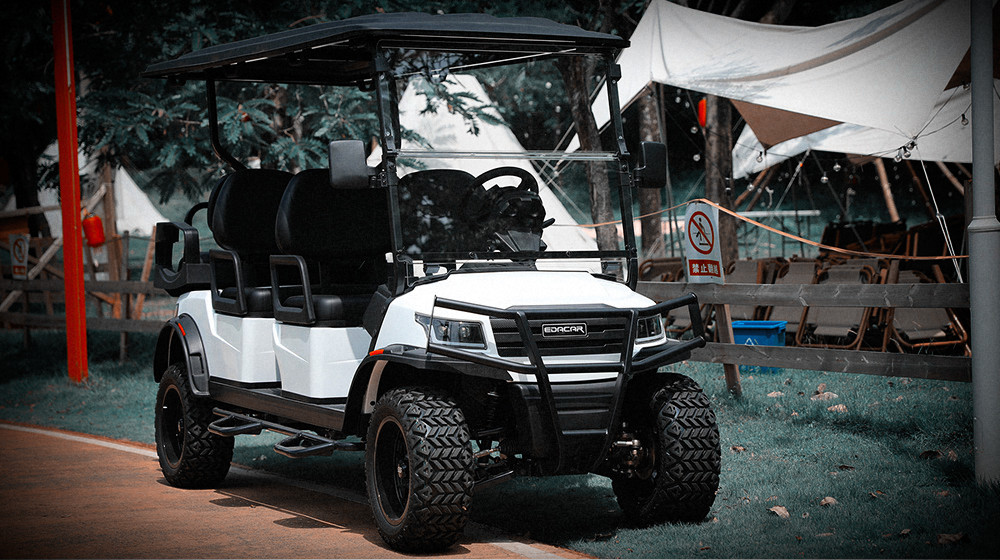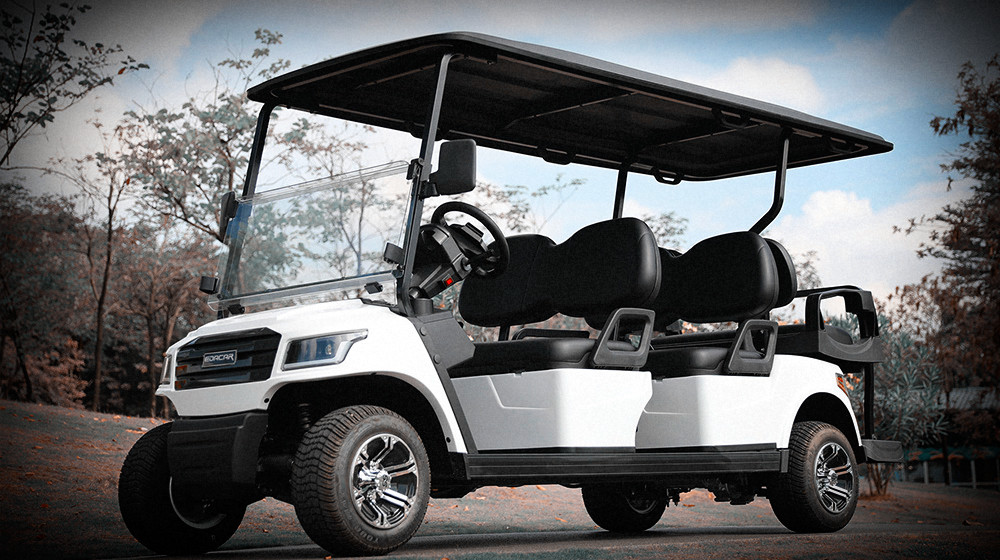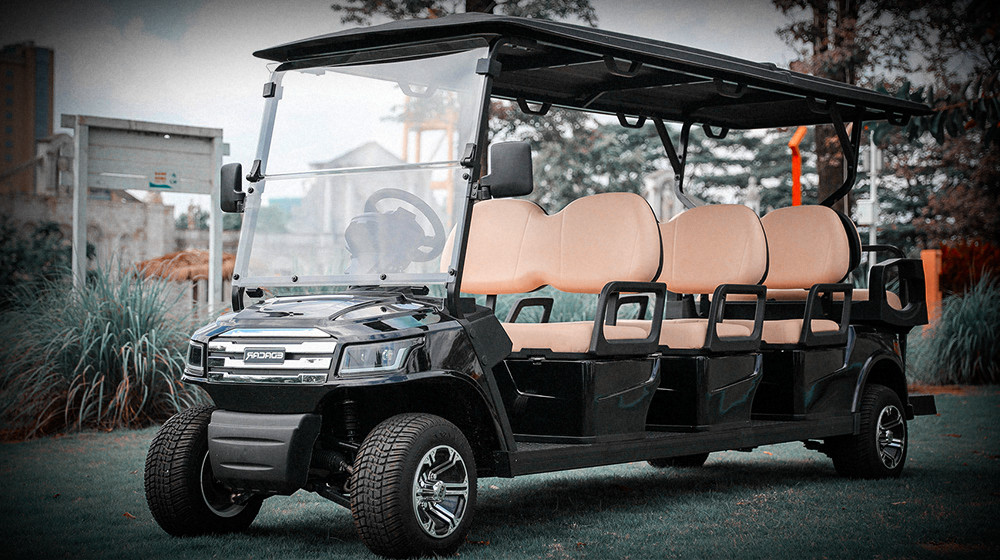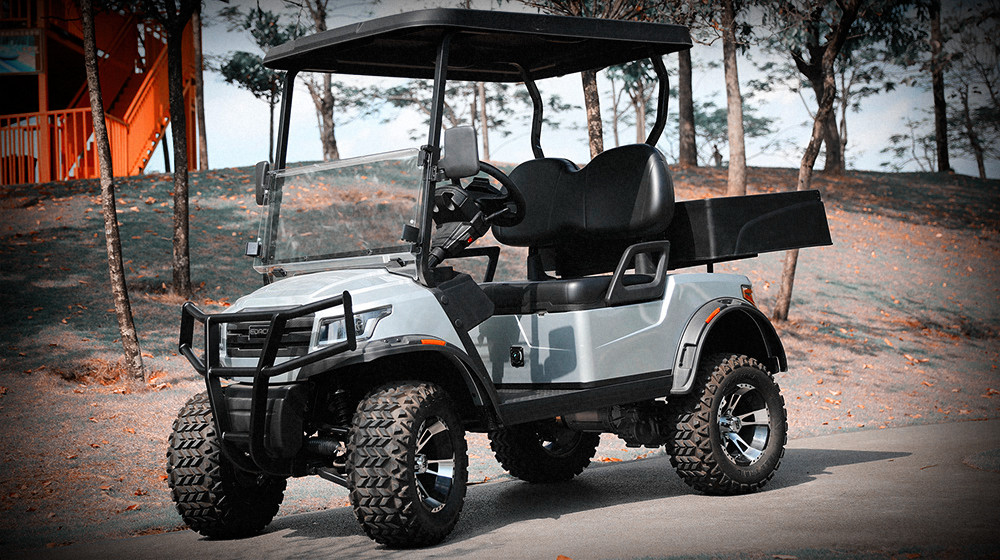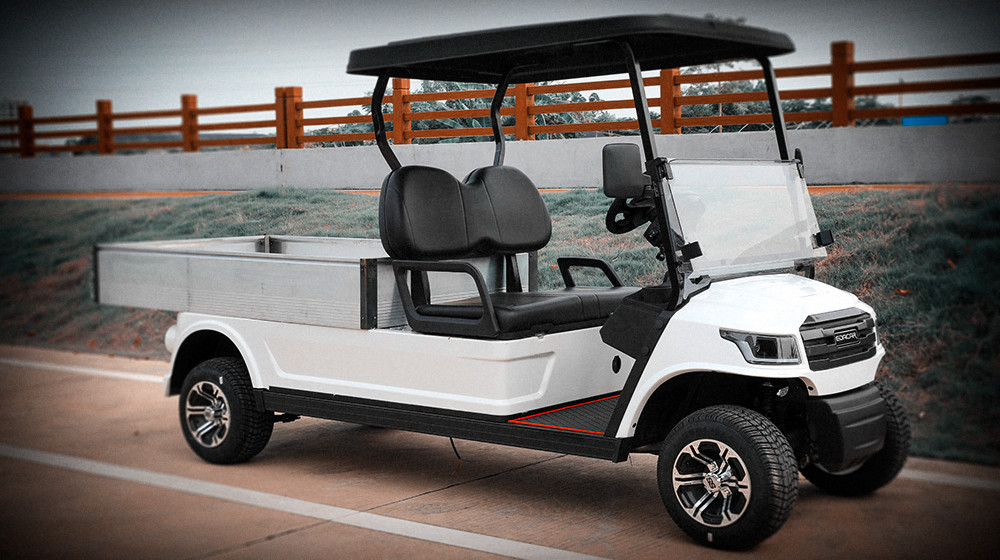
F2 MODEL
· 4KW AC MOTOR WITH EM BRAKE
· FOUR WHEEL DISC BRAKE
· LITHIUM POWERED

 Vehicles
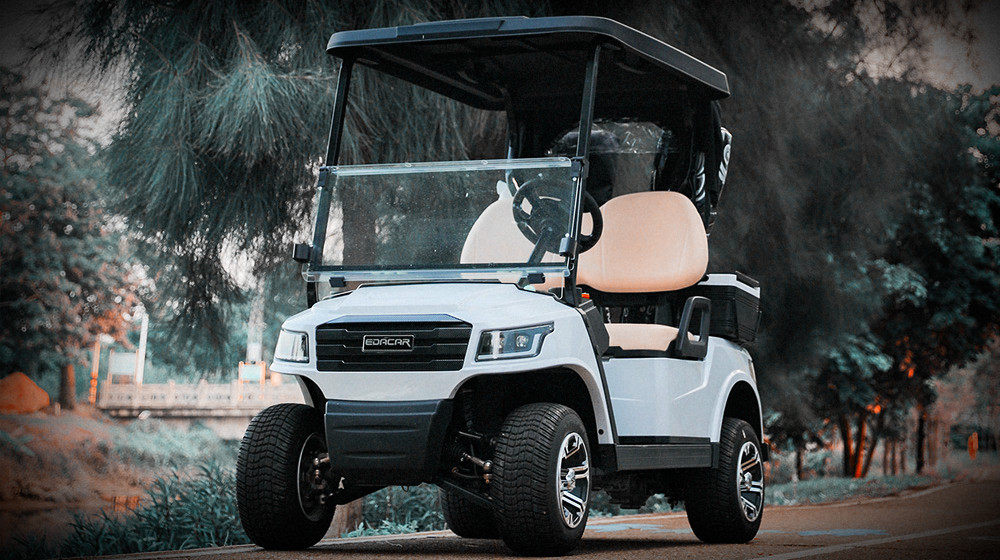
Experience the greens in a whole new way
Drive like a pro with our carts, Leave the walking to others.
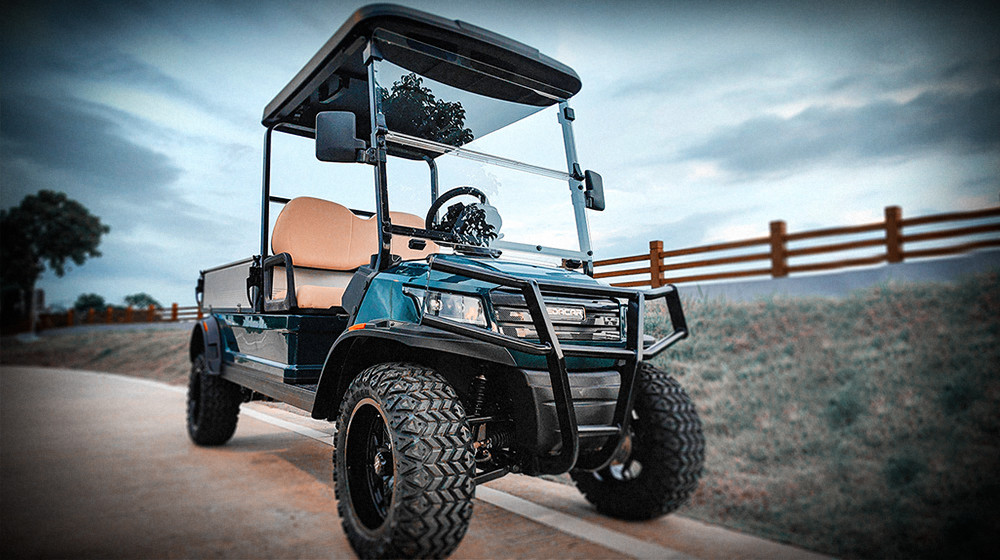
When the good road ends, the great adventure begins.
We get you where you need to go, without a worry
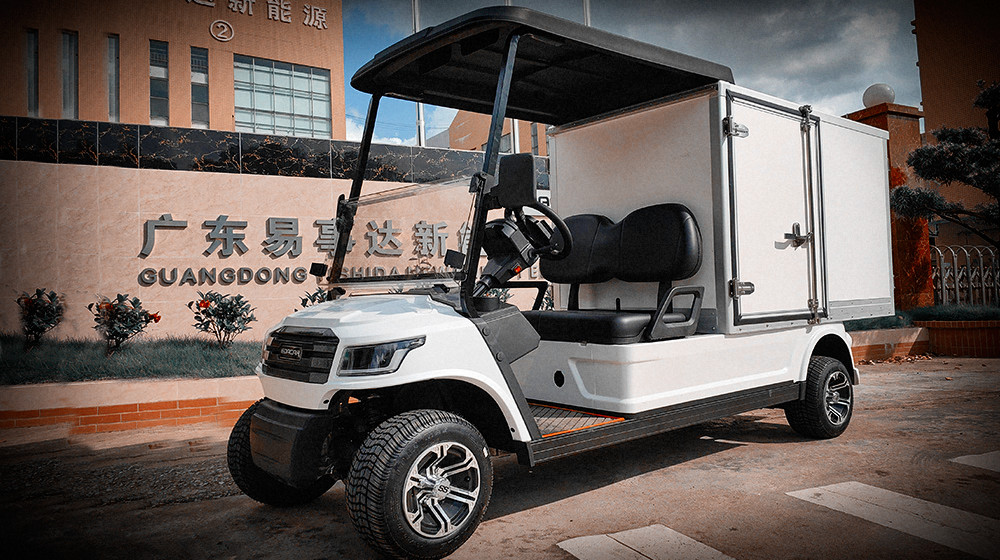
Delivery you can count on. One Charge Can Go A Long Way.
Golf Cart Customization: Golf carts have evolved into versatile vehicles. These vehicles now cater to daily activities beyond just golfing. Through the art of customization, one can truly express individuality. More than aesthetics, customization ensures the achievement of optimized performance. For those seeking enhancements, options abound: from paint colors to lift kits, and even lithium battery upgrades. We provide an extensive range of components and add-ons. With their offerings, designing a personalized art becomes an exciting endeavor. As you navigate this world of customization, rest assured, we're here to guide you every step of the way.
Dealers
Support
Press
Contact
As the world moves more and more towards clean, renewable energy, lithium batteries are really taking center stage in this shift. They’re offering some pretty cool solutions for storing energy from sustainable sources. I read in a BloombergNEF report that the lithium-ion battery market is expected to skyrocket, growing from about 300 GWh in 2020 all the way up to a whopping 5,000 GWh by 2030. That’s a huge leap! This kind of growth is a big deal, especially for companies like EDACAR EV Co., Ltd.—a high-tech outfit based in the country, focused on developing and making electric vehicles powered by lithium batteries. They’ve invested heavily in advanced assembly lines—there are even 11 robots working there! They’re really positioning themselves to take advantage of all the buzz and demand for better energy storage. Thanks to lithium batteries, EDACAR is changing the game—powering everything from electric golf carts to utility trucks and passenger carriers. It’s pretty exciting because all of this is helping push us toward a greener, more sustainable future.

Lithium batteries are really playing a big role in making renewable energy more efficient. They’re basically the backbone when it comes to storing energy from sources like solar and wind—without them, it’d be tough to rely on these renewables. According to a report from the International Energy Agency (IEA), we’re apparently gonna see the amount of lithium-ion batteries used in large-scale energy storage jump from about 73 gigawatt-hours (GWh) in 2020 to over 400 GWh by 2030. Wow, that’s quite a leap! This huge increase shows just how important lithium batteries are in keeping the power grid stable and making sure we have a reliable energy supply, especially when sunlight and wind aren’t doing their thing. And the cool part? The tech behind these batteries keeps improving. Researchers have made strides in boosting their energy density and how many charge cycles they can handle. For example, a study in the Journal of Power Sources mentioned that over the past ten years, lithium batteries now pack about 50% more energy—that’s roughly 300 watt-hours per kilogram. This means we’re getting longer-lasting batteries, which can really help cut down our dependence on fossil fuels. All in all, these advancements are making it easier to shift toward cleaner, renewable energy sources and are a big step toward hitting global carbon reduction goals.
The GOLF CART SERIES-Siera Model offers a revolutionary way to enhance your golfing experience through its advanced lithium battery power. According to a recent industry report by the National Golf Foundation, over 40% of golfers are now utilizing electric golf carts, which have become a staple on courses worldwide. The Siera Model stands out by integrating a state-of-the-art lithium battery system that not only increases efficiency but also significantly reduces charging time, allowing golfers to spend more time on the course and less time waiting.
Lithium batteries have proven to be immensely beneficial, providing up to three times the lifespan of traditional lead-acid batteries. This substantial improvement is crucial in enhancing performance as golfers no longer need to worry about battery depletion mid-game. A report from the Golf Cart Association reveals that lithium-powered carts can travel up to 40% farther on a single charge, ensuring that players can traverse expansive courses without interruption. By opting for the GOLF CART SERIES-Siera Model, golf enthusiasts not only enjoy a quieter ride but also contribute to a more sustainable golfing experience, aligning with the growing environmental awareness within the sport.
Harnessing the power of advanced lithium battery technology, the GOLF CART SERIES-Siera Model exemplifies how innovation can elevate performance on the golf course. With faster charging and extended range, it enables golfers to focus on what truly matters—perfecting their swing and enjoying a day in the sun, all while utilizing a top-notch, eco-friendly transportation solution.
: The growth of the energy storage market is primarily driven by advancements in lithium battery technology, which enhances storage capabilities necessary for renewable energy systems. The global Battery Energy Storage System (BESS) market is expected to reach $105.96 billion by 2030 due to the demand for sustainable energy storage.
The lithium-ion stationary battery storage market in Europe is projected to achieve USD 127.60 billion by 2033, demonstrating a compound annual growth rate (CAGR) of 14.36%. This growth is propelled by the need for efficient energy management systems offered by lithium technology.
Lithium batteries offer several advantages, including higher energy density, faster charging and discharging capabilities, and a longer lifespan compared to traditional systems like lead-acid batteries and pumped hydro storage. This makes them more suitable for space-limited applications, such as electric vehicles and residential energy setups.
Traditional energy storage systems, such as lead-acid batteries, may have lower upfront costs but tend to require more frequent replacements, resulting in higher long-term expenses. Pumped hydro systems are effective only in specific geographical locations and require significant capital investment, making them less versatile than lithium batteries.
Innovations in lithium battery recycling include advanced techniques like hydrometallurgical processes and direct recycling approaches, which improve the recovery of valuable materials such as lithium, cobalt, and nickel. These methods reduce waste and enhance sustainability, minimizing environmental hazards.
The advancements in lithium battery recycling are expected to lower the production costs for new batteries by improving the economics of battery disposal. These techniques not only reduce environmental impact but also support a circular economy model for battery resource recovery.
Adopting a circular economy model for lithium batteries is crucial for enhancing sustainability. It involves systematic collection and processing of end-of-life batteries for resource recovery, ensuring that valuable materials can be reused and minimizing environmental damage associated with battery waste.
Lithium battery technology contributes to a sustainable future by optimizing energy retention and usage, making renewable energy sources more accessible and reliable. As the technology advances, it supports the growing demand for renewable energy systems while minimizing environmental harm.
Consumers should focus on energy storage systems that leverage the latest lithium battery innovations for enhanced efficiency. Staying informed about market trends and industry reports can help in making well-informed decisions regarding technology investments in this rapidly evolving sector.
Lithium batteries are really leading the charge when it comes to changing the game in renewable energy storage. They're doing a pretty amazing job at making things more efficient and reliable. Thanks to their advanced tech, these batteries boast higher energy density and can be charged way faster than the old-school storage options, which makes them super attractive for all kinds of uses. Take EDACAR EV Co., Ltd., for example—they’re really making the most of these advantages by using lithium batteries in electric golf carts, utility vehicles, and off-road machines. It’s pretty cool to see how this tech actually works in the real world.
Looking ahead, things like improved recycling methods and greener practices for lithium batteries are promising to make these energy solutions even more eco-friendly. As you can see from various case studies, lithium batteries aren't just keeping up with our rising energy demands—they're actually helping us move toward a more sustainable future. It’s exciting to think about how they're going to play a huge role in our switch to cleaner, greener power systems.