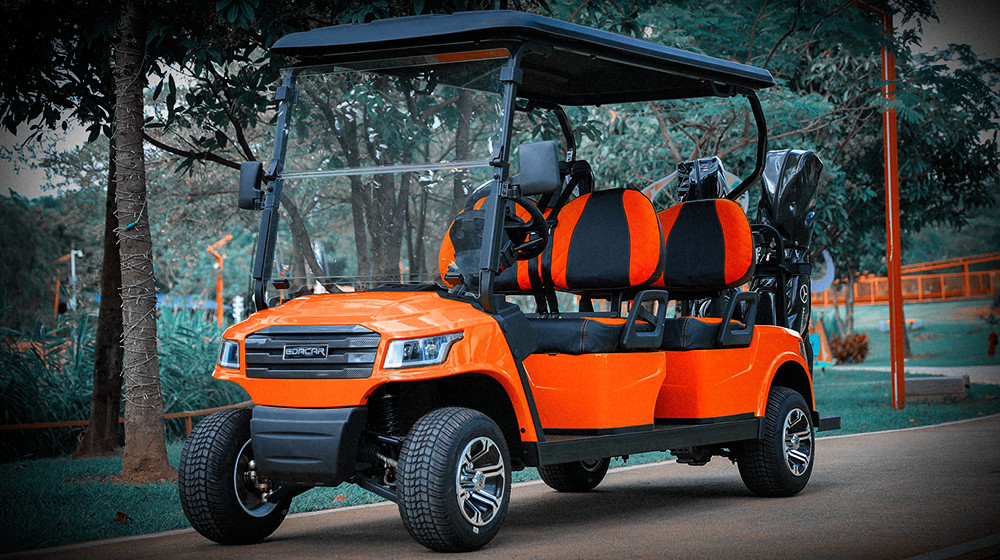
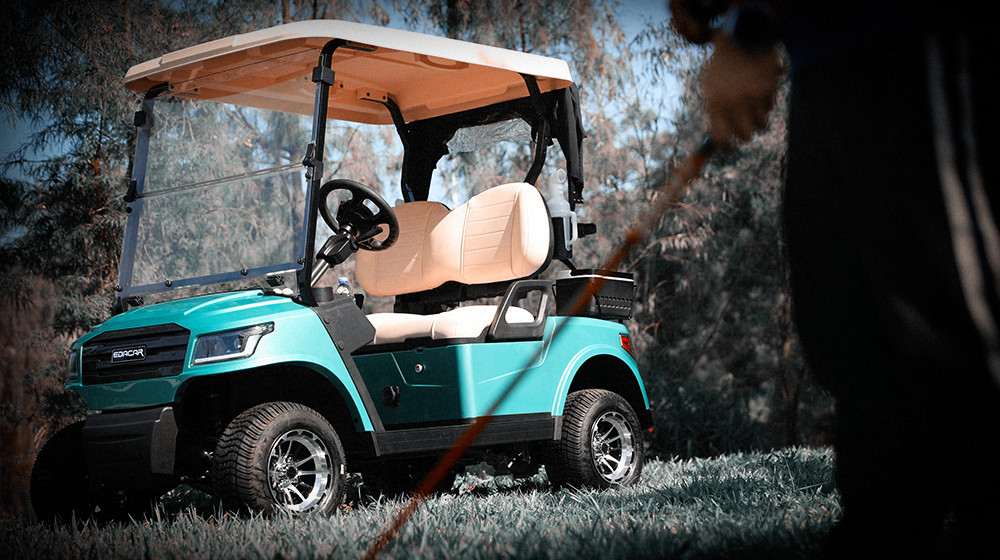
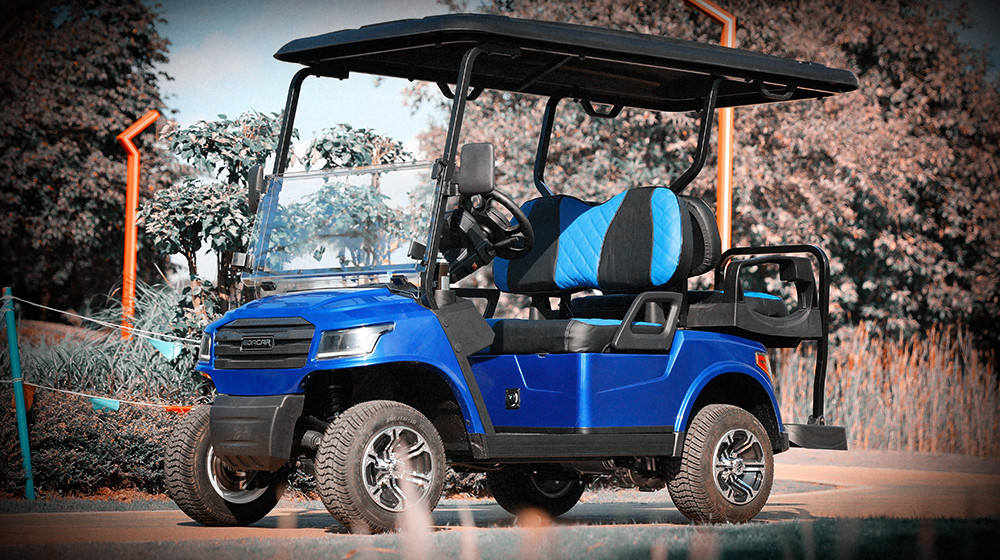
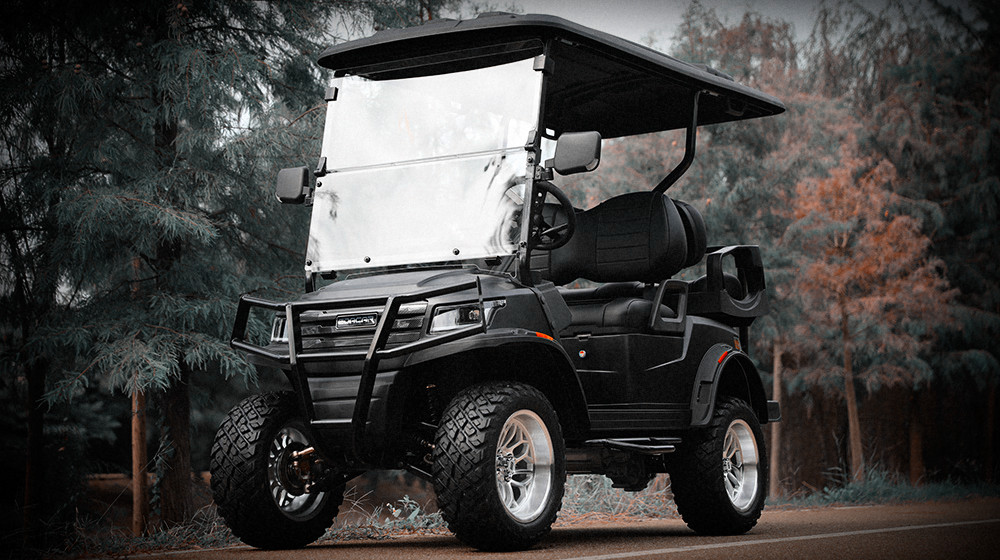
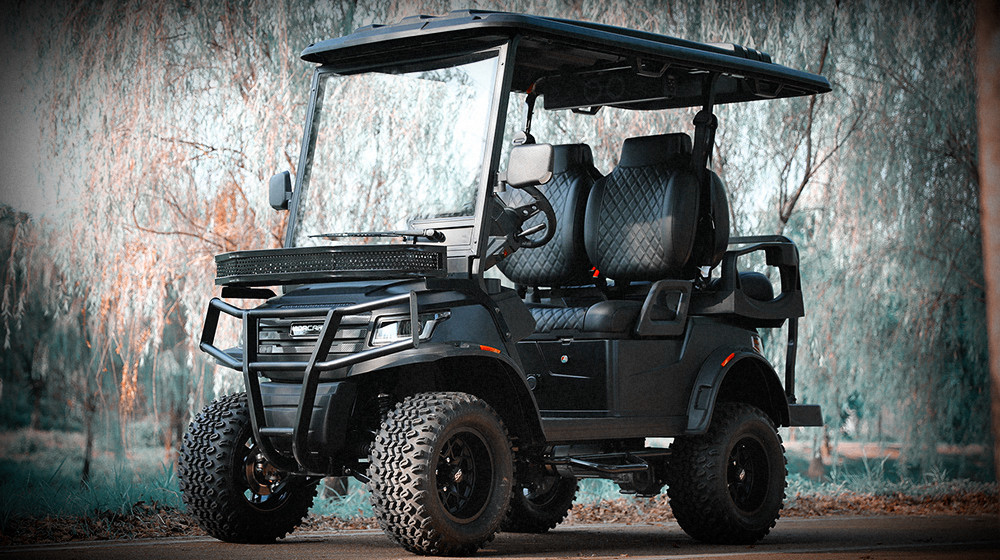
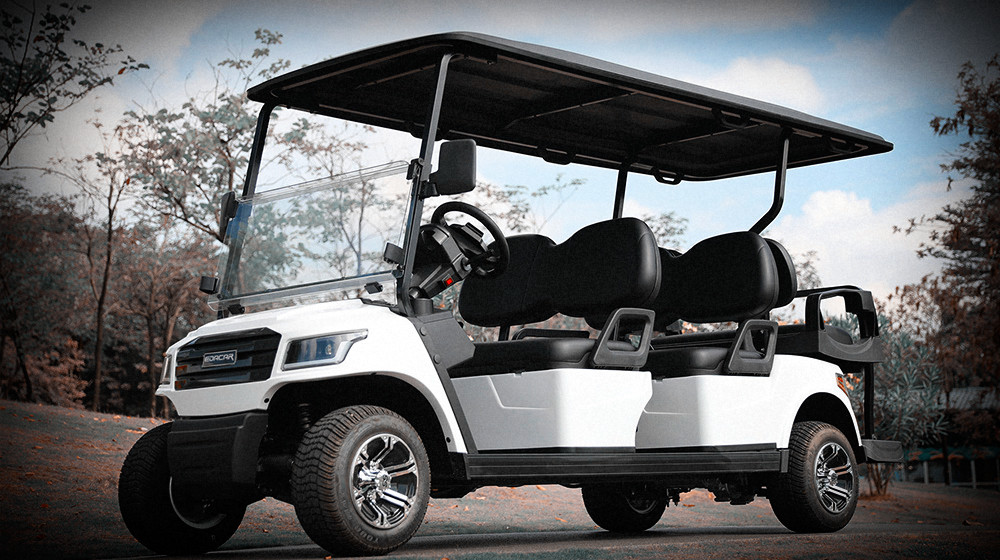
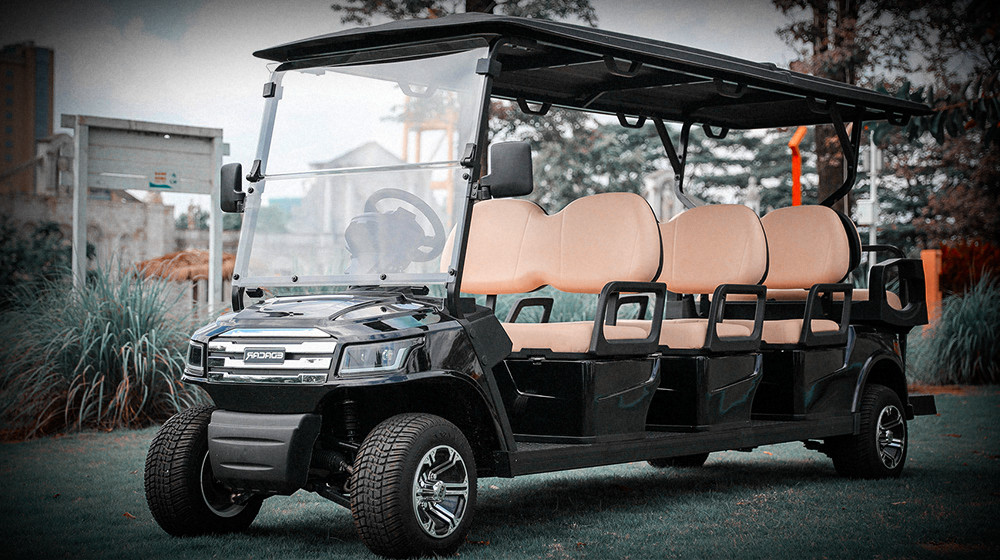
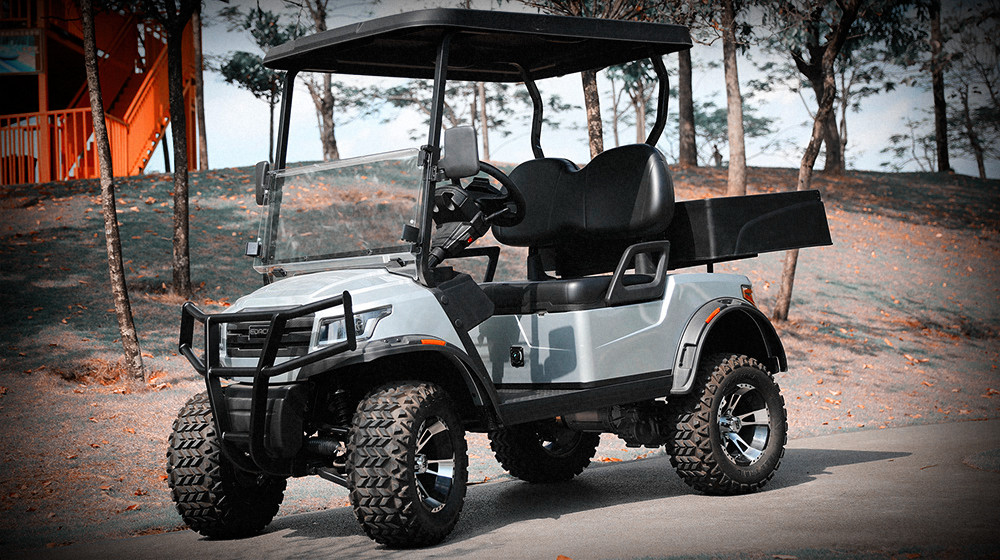
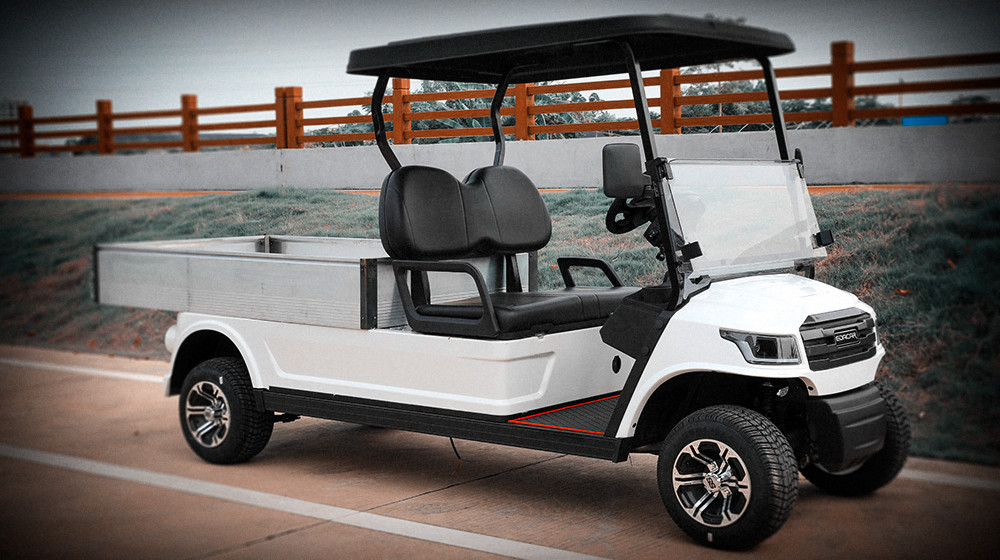
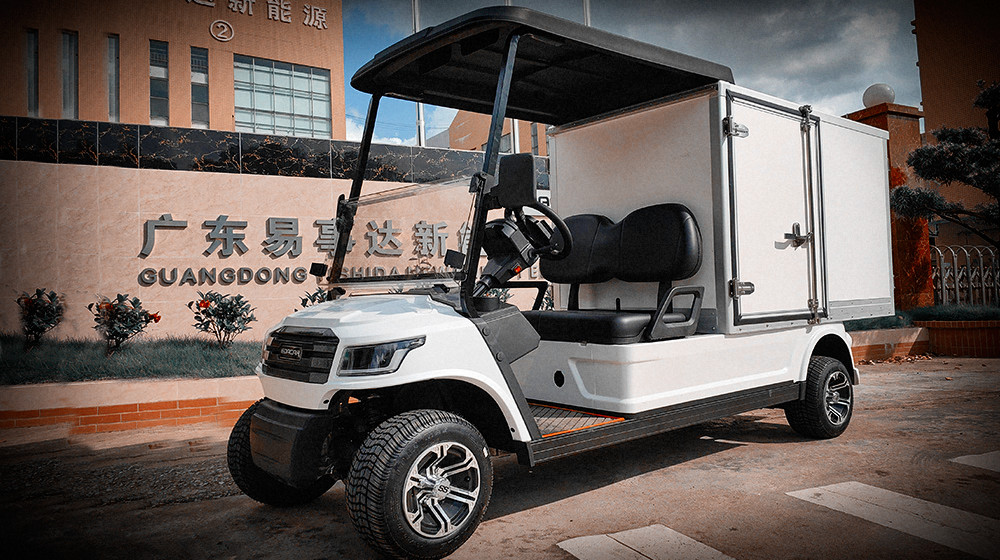
You know, the way Utility Vehicles have evolved has really changed the game for modern transport. It’s like everyone’s looking for versatile, efficient, and eco-friendly ways to get around these days. If you look at the latest industry reports, the global market for utility vehicles is expected to hit around USD 60 billion by 2025 — mainly because more cities are growing, and folks are shifting towards electric options. EDACAR EV Co., Ltd. is right at the cutting edge of all this change; they’re actually a high-tech company dedicated to creating lithium battery-powered electric utility vehicles. They’ve got pretty advanced assembly lines powered by robotics, which is pretty cool. Honestly, they’re really shaping what utility vehicles are all about now, especially with the rising demand for sustainable transportation. More and more consumers and companies are choosing eco-friendly options, so the role of lithium battery-powered utility vehicles is only growing — paving the way for a cleaner, more adaptable kind of transportation in the future.

The Historical Development of Utility Vehicles in the Transportation Sector
The way utility vehicles have developed over the years really tells a story about how transportation has changed. It’s like they’ve gone from simple tools made for specific jobs to these versatile machines that can do so much more. At first, they were pretty basic, just built for particular tasks, but now they’ve adapted to meet all kinds of needs. Thanks to tech advances, like electric power, these vehicles have become more efficient and environmentally friendly — it’s kinda cool how electric engines have totally transformed what utility vehicles can do.
Just look at recent years in China — their utility vehicle industry has really taken off. The country’s now a major player in electric utility vehicle manufacturing, holding a big slice of the global market. Plus, with features like smart connectivity and even autonomous driving, these vehicles are becoming super useful, especially in busy city settings. As they keep evolving, it’s clear they’ll play an even bigger role in modern transport. Not just as tools for getting around, but as key parts of a future that’s more sustainable and tech-savvy — pretty exciting stuff!

Key Technological Advancements Shaping Utility Vehicles Today
You know, the way utility vehicles have evolved over time is pretty fascinating. Thanks to a bunch of tech breakthroughs, they’ve really become such essential parts of modern transport these days. I mean, stuff like electric drive systems—those have made them way more efficient and eco-friendly. Electric utility vehicles are great because they cut down on fossil fuel use, which is especially important in cities with tight emission regs. Plus, switching to electric isn’t just good for the planet—it also helps save money on maintenance and fuel costs in the long run.
And get this—modern utility vehicles now come packed with smart driver-assistance features. Things like automatic brakes, lane-keep assist, and adaptive cruise control are pretty much standard now. They really help make driving safer and easier, cutting down the chances of accidents. On top of that, with internet connectivity and IoT tech, fleet managers can monitor vehicles remotely and get real-time data. This means routes can be optimized on the fly, making everything run smoother overall. As tech keeps moving forward, I honestly think utility vehicles are going to be playing an even bigger role in how we get around in the future.
Exploring the Evolution and Impact of Utility Vehicles on Modern Transportation
| Year |
Technological Advancement |
Impact on Utility Vehicles |
Environmental Benefits |
| 1980s |
Introduction of Diesel Engines |
Increased fuel efficiency and torque |
Reduced carbon footprint per mile |
| 1990s |
Electrification of Utility Vehicles |
Lower operating costs and maintenance |
Significantly lower emissions |
| 2000s |
Implementation of Advanced Safety Features |
Enhanced safety for drivers and cargo |
Accidents reduction leads to less waste |
| 2010s |
Development of Smart Vehicle Technology |
Improved logistics and route efficiency |
Fewer emissions through optimized driving |
| 2020s |
Adoption of Autonomous Driving Technology |
Reduced need for human drivers |
Further emissions cuts with optimized logistics |
Market Trends: Utility Vehicle Sales Growth and Consumer Preferences
You know, the utility vehicle scene has really taken off lately. It's pretty clear that people’s tastes are shifting, and that’s been a big factor driving this growth. If you look at the latest reports, the SUV market share in India almost doubled from FY20 to FY24—hitting around 50%. That’s quite a jump! A lot of this has to do with folks wanting bigger, more flexible vehicles, whether they’re cruising around the city or heading out to more rural areas. Because of this, car makers are really stepping up, tweaking their lineups to meet this rising demand. No wonder, SUVs have become some of the most in-demand vehicles these days.
When you dig into the sales figures, it’s a mixed bag. Sure, overall sales have gone up and down, but some brands have really nailed it. For example, one manufacturer recently overtook another to become the second-biggest seller of passenger vehicles in India—all thanks to the growing popularity of SUVs. That said, the bigger market isn’t enjoying smooth sailing all the time. Just last June, passenger vehicle sales dipped, showing that consumer confidence is a bit shaky. All in all, it’s a market in flux. Makers need to stay sharp, keep innovating, and pay close attention to what buyers really want—something more utility-driven and capable, it seems, is where everyone’s focus is these days.
Environmental Impact: Utility Vehicles and Their Role in Sustainable Transportation
 Utility vehicles—those handy UVs—really have a big impact on how we get around today. But, honestly, their environmental footprint is a concern that just won't go away. Did you know that the International Energy Agency’s 2022 report says that light-duty utility vehicles are responsible for about 30% of all CO2 emissions from road transport worldwide? That’s pretty eye-opening, and it just highlights how desperately we need to shift gears and look for greener options. Luckily, electric utility vehicles, or EUVs, have been gaining popularity lately. Some projections even suggest that by 2030, EUVs could account for around 30% of the global utility vehicle market—that’s a huge jump! (IEA, 2022).
And here’s some good news: advancements in battery tech and the ongoing push to build better infrastructure are key drivers in making this switch happen. The U.S. Department of Energy even pointed out that moving to electric utility fleets could slash greenhouse gas emissions by up to 60% compared to sticking with traditional gasoline models. As cities grow and urban areas become more crowded, introducing eco-friendly utility vehicles into public transit could really help cut down pollution and boost energy efficiency. All in all, utility vehicles are playing an increasingly important role in pushing us toward more sustainable transportation—an essential part of fighting climate change, no doubt.
Future Innovations: The Role of Electric and Autonomous Technologies in Utility Vehicles
You know, the way utility vehicles have been changing over the years really has a big impact on how we get around today. Lately, electric and autonomous tech are totally shaking things up. Electric utility vehicles, for example, are starting to become a game-changer—they offer a greener alternative to those old gas-powered trucks we’re all used to. Thanks to improvements in battery tech, these vehicles can now go further on a single charge and charge up faster, which means they’re more practical for both city streets and rural areas. Moving towards electric utility vehicles isn’t just about being eco-friendly; it also promises lower running costs in the long run, so it’s kind of a win-win.
And then there’s the whole autonomous thing—vehicles that can basically drive themselves. With all these advanced sensors and AI systems integrated into them, they can handle tricky environments without someone behind the wheel. That’s a huge boost for safety and efficiency, especially in industries like logistics or emergency response where time and precision matter a lot. As both electric and autonomous tech keep improving, it feels like they’re really going to reshape the utility vehicle scene. Future’s looking smarter, more adaptable, and ready to meet the fast-changing needs of our world.
Utilization Strategies: Maximizing Efficiency and Versatility of Modern Utility Vehicles
Over the years, the way we use modern utility vehicles has really changed – they've become much more efficient and versatile, fitting into a bunch of different industries. In city settings, these vehicles have adapted pretty well for urban logistics, easily navigating narrow streets and crowded areas. This kind of agility is a real game-changer for businesses trying to handle last-mile deliveries, helping them cut down on fuel costs and save time. Plus, with cool tech like GPS and telematics, fleet managers can optimize routes more effectively and keep an eye on vehicle performance and fuel efficiency right from their dashboards.
But it’s not just cities making use of these vehicles. Farms and construction sites are also jumping on board, using utility vehicles for a variety of tasks—whether it’s plowing fields or lifting heavy materials. Thanks to interchangeable attachments, these vehicles are pretty much Swiss Army knives, making work easier and boosting productivity while helping organizations save money on labor.
And, with more focus than ever on protecting the environment, electric and hybrid utility vehicles are becoming more popular. They’re a smart way to stay eco-friendly without sacrificing performance, aligning with modern standards.
All in all, the way industries are adopting and adapting these vehicles shows how much innovation is driving transportation solutions today—it's pretty exciting stuff.
FAQS
: Utility vehicles have evolved from being designed for specific tasks to accommodating a wide range of needs due to changing consumer demands and technological advancements.
Electric propulsion has revolutionized utility vehicles by allowing them to operate more efficiently and reducing their environmental impact.
In recent years, there has been a surge in production and sales of utility vehicles in China, positioning the country as a global leader in electric utility vehicle manufacturing.
Innovations such as smart connectivity and autonomous driving capabilities are further enhancing the functionality of utility vehicles, making them essential in urban environments.
Key advancements include electric drive systems, advanced driver-assistance systems (ADAS), and smart connectivity through IoT technology.
Electric utility vehicles reduce reliance on fossil fuels, providing a cleaner mode of transport, especially in urban areas where emissions regulations are strict.
Modern utility vehicles often include safety features like automatic braking, lane-keeping assistance, and adaptive cruise control.
Smart connectivity allows for real-time data sharing and remote vehicle monitoring, enabling fleet managers to optimize routes and improve operational efficiency.
As technology continues to advance, utility vehicles are expected to play an even more significant role in shaping the future of transportation, becoming integral components of sustainable and technologically advanced systems.
Electric utility vehicles offer cost savings in maintenance and fuel, further incentivizing their adoption in the transportation sector.
Conclusion
So, I recently read this article called "Exploring the Evolution and Impact of Utility Vehicles on Modern Transportation," and honestly, it was pretty interesting. It takes you on a journey through the history of utility vehicles, showing just how much they've changed the way we get around over the years. The piece points out some cool tech breakthroughs that still influence utility vehicles today—a reminder of how important innovation is when adapting to what folks want: versatile, efficient rides that get the job done. Oh, and it also touches on how these vehicles impact the environment, highlighting their role in pushing for more sustainable transportation options.
Looking to the future, the article dreams big—talking about how electric and self-driving tech might totally reshape utility vehicles soon. Companies like EDACAR EV Co., Ltd. are really making waves with their lithium battery-powered utility trucks, pushing hard to make them more efficient and versatile. As demand for these kinds of vehicles keeps climbing, these innovations are going to be super important for creating greener, smarter transportation solutions that everyone’s looking for these days.


 Vehicles